Computerized vs Mechanical Sewing Machine: Which Is Better for You? (Brother CS7000X vs Janome 2212)
Most people are better served by a computerized machine: the Brother CS7000X costs about $280 with 70 stitches, 7 one-step buttonholes and 10 feet. Choose mechanical if you want simple dials, fewer parts to fail and easier repairs: the Janome 2212 costs about $217 with 12 stitches and a 4-step buttonhole.
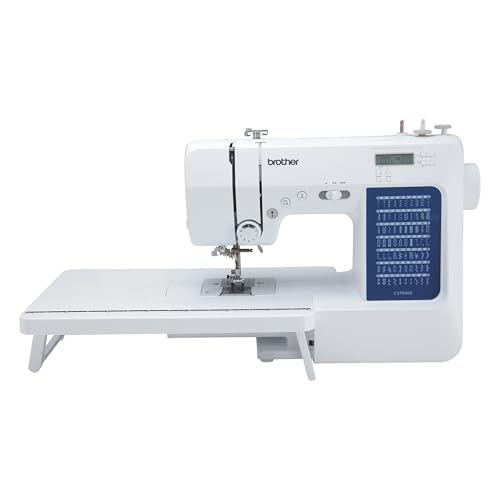 Brother CS7000X Computerized Sewing and Quilting Machine $279.99 Check price on Amazon
 The verdict
A computerized sewing machine is the better choice for most sewists today, because at the same price it adds one-step buttonholes, more stitches and conveniences that make sewing easier. A mechanical machine is the better choice if you value simplicity, want to avoid screens and circuit boards, or sew mostly straight seams and mending.
The useful thing to know: reliability arguments cut both ways. Mechanical machines have no electronics to fail, but a well-made computerized machine is not fragile, and many sewing problems come from lint, old needles and threading mistakes that affect both types equally. Choose the controls you will enjoy using.
Computerized vs Mechanical: side by side
| Feature | Computerized | Mechanical |
|---|---|---|
| Representative model | Brother CS7000X | Janome 2212 |
| Price | About $280 | About $217 |
| How you choose stitches | Buttons and LCD screen | Dial |
| Built-in stitches | 70 | 12 |
| Buttonhole | 7 one-step styles | 4-step |
| Bobbin | Not listed in the specs we verified | Front-loading |
| Feed dogs | Not listed in the specs we verified | 5-piece |
| In the box | 10 feet plus quilt guide, wide table, hard case | Basic accessories |
| Repairs | Circuit board adds a possible failure point | Simple mechanism, easier for a technician |
Is a mechanical or computerized sewing machine better for beginners?
Both work well for beginners, and the better one depends on how you learn. A computerized machine like the Brother CS7000X shows the stitch number on a screen, sews a buttonhole in one step (you set the button in the foot and it sizes the hole), and often includes extras that let you try quilting and crafts. Owners frequently describe it as easy to set up.
A mechanical machine like the Janome 2212 has fewer choices to make. You turn a dial for the stitch, turn another for length, and sew. A 4-step buttonhole takes a few more turns of the dial, which some beginners find confusing at first. People who find small screens hard to read often prefer the large, clearly marked dials of a mechanical machine, which is worth considering if your reading glasses live on the sewing table.
| Feature | Computerized | Mechanical | Who benefits |
|---|---|---|---|
| Stitch selection | Buttons and screen | Dial | Dial for readability, screen for variety |
| Buttonholes | One-step, several styles | Usually 4-step | Garment sewists favor one-step |
| Stitch count | Dozens to hundreds | About 8 to 30 | Decorative and craft sewists |
| Needle up/down and speed control | Common | Rare | Quilters and anyone with pedal control issues |
| Power cuts or surges | Can affect electronics | Little effect | Rural or storm-prone homes |
| Repair | Board replacement if electronics fail | Mechanical adjustment | Owners far from dealers |
| Price band on Amazon | About $134 and up | About $139 and up | Similar at entry level |
Do mechanical sewing machines last longer?
They have fewer parts that can fail, which is why sewists often call them buy-once machines, and many decades-old mechanical machines still sew. That longevity came partly from all-metal construction, though, not just from having no electronics. A new budget mechanical machine is not automatically sturdier than a new budget computerized one.
If long life is the top priority, look for metal internal parts and a simple design: the Janome HD1000 lists metal working parts, and the Janome HD3000 adds adjustable presser foot pressure. Whatever you buy, regular cleaning matters more than type. Our sewing machine maintenance guide covers the routine, and the best mechanical sewing machines roundup ranks options.
Is a computerized sewing machine worth it?
For most sewists, yes, because the conveniences save time on every project rather than just adding stitches you will never use. One-step buttonholes, needle-down stops and speed control are the features owners mention again and again. Hundreds of decorative stitches matter less than people expect. If you want more room and stitches, the Janome JW8100 adds 100 stitches and an even feed foot for about $369, and best computerized sewing machines covers the step-ups.
Choose Computerized if
- You sew garments with buttonholes.
- You want decorative stitches, needle-down and speed control.
- You like extras in the box like extra feet, a wide table and a hard case.
- You are comfortable reading a small screen.
Choose Mechanical if
- You mostly mend, hem and sew straight seams.
- You prefer large dials to buttons and screens.
- You live far from a service center and want simpler repairs.
- You want a spare machine for classes or a cabin.
Our picks for each type
Brother CS7000X Computerized Sewing and Quilting Machine
$279.99The value computerized pick: 70 stitches, 7 buttonholes and 10 feet for about $280.
Check price
Janome JW8100 Computerized Sewing Machine
$369.00100 stitches, 7-piece feed dogs, extension table and even feed foot for about $369.
Check price
Janome Skyline S5 Computerized Sewing Machine
$1,399.00The computerized step-up with 9 mm stitch width and an automatic thread cutter.
Check price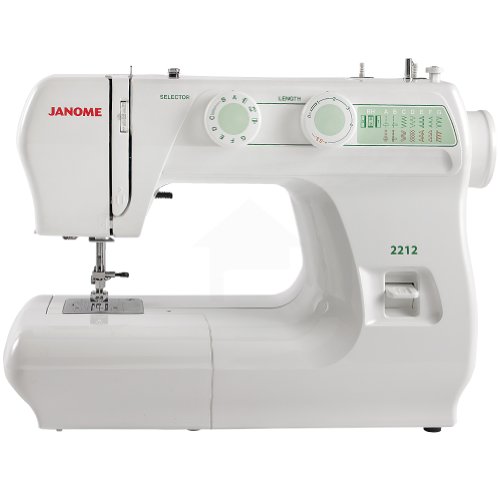
Janome 2212 Mechanical Sewing Machine
$217.00A simple 12-stitch mechanical machine with a front-loading bobbin.
Check price
Juki HZL-355Z Compact Sewing Machine
$408.49A mechanical Juki with automatic threader, one-step buttonhole and hard case.
Check price
Janome HD3000 Heavy Duty Sewing Machine with Hard Case
$529.00A heavy-duty mechanical machine with adjustable presser foot pressure.
Check pricePrices change often, so confirm on Amazon. As an Amazon Associate we earn from qualifying purchases.
This comparison is drawn from published specifications, owner manuals and the consensus of verified owner reviews, not side-by-side testing.
Frequently asked questions
What is the difference between a computerized and mechanical sewing machine?
A mechanical machine selects stitches with dials and knobs that move parts inside directly. A computerized machine uses a circuit board, buttons and usually a screen to control stitches, length and width. Computerized machines typically add one-step buttonholes, more stitches and features like needle-down. The Brother CS7000X and Janome 2212 are good examples of each.
Are computerized sewing machines harder to repair?
They can be. If the electronics fail, repair usually means replacing a circuit board, which can be expensive relative to a budget machine's price. Mechanical faults on either type are often simpler adjustments a technician can make. In practice, most repair visits for both types involve timing, tension or lint, so regular cleaning prevents many problems.
Is a mechanical sewing machine good for quilting?
For piecing and walking-foot quilting on smaller quilts, yes. A mechanical machine sews an accurate straight seam just as well. You miss conveniences like needle-down stops and speed control, which help with free-motion quilting and turning corners. Many quilters use a sturdy mechanical machine for piecing and a dedicated quilting machine for finishing.
Do computerized sewing machines break easily?
Not if they are treated sensibly. Owner reviews of popular computerized machines like the Brother CS7000X mostly report problems from thick fabric strain or threading mistakes rather than electronic failure. Use a surge protector, keep the machine covered from dust and avoid sewing layers beyond its design. A good return window protects you from the occasional faulty unit.
Which is easier to use with arthritis or low vision?
It depends on the person. Large dials on mechanical machines are easy to see and turn, while small buttons can be hard to press. Computerized machines often add automatic needle threaders, one-step buttonholes and speed control, which reduce fine-motor work. Test the controls if possible, add a good task lamp, and see our crafting with arthritis guide for setup ideas.
How we research: we compare manufacturer specifications, owner manuals, published standards and recurring themes in verified owner reviews. We do not test products in person, and this is researched guidance, not professional advice. Follow your machine manual and pattern, and take care with rotary cutters, hot irons and needles. As an Amazon Associate we earn from qualifying purchases.