Best Sewing Machine for Denim (2026): 9 Picks for Jeans and Thick Seams
The best sewing machine for denim is the Juki TL-2000Qi (about $1,000) if you build jeans, thanks to 1,500 stitches per minute of straight-stitch power and clean topstitching. For hemming and occasional jeans, the Janome HD3000 (about $530) is the all-round pick. Use a size 100/16 jeans needle either way.
Denim is hard on a sewing machine in one specific way: the thickness changes suddenly. A flat run of two layers becomes eight layers at a belt loop or a side seam intersection, and that is where lighter machines skip stitches, bend needles or stall. The fix is a mix of the right machine, the right needle and a few settings.
If you are making jeans from scratch, the Juki TL-2000Qi is our top pick for its straight-stitch strength and topstitching quality. If you mainly hem, patch and make the occasional denim skirt, the Janome HD3000 does that and every other everyday job too.
Denim machines at a glance
| Product | Price | Stitch type | Denim strength | Weak spot | Buy |
|---|---|---|---|---|---|
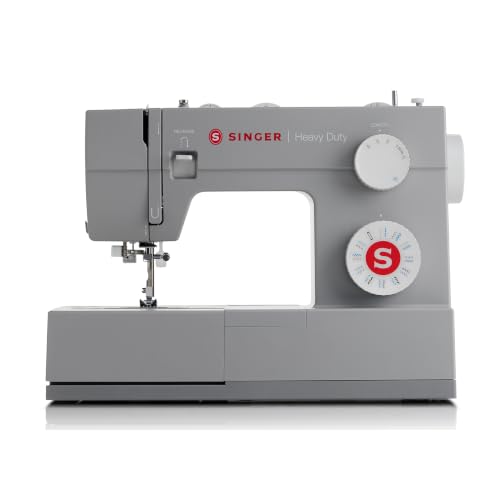 Singer 4423 Singer 4423 | $182.41 | Zigzag and utility | Metal frame for hems and seams | Lighter housing on big humps | Price |
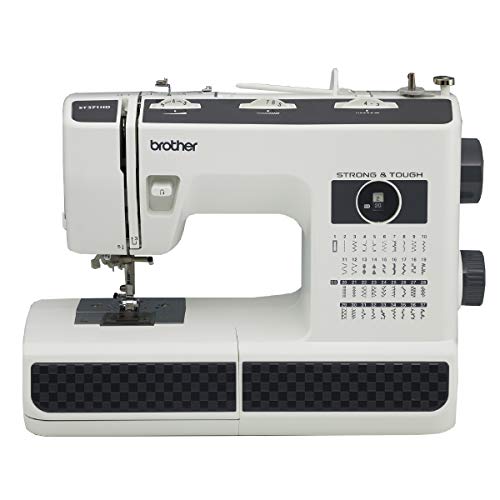 Brother ST371HD Brother ST371HD | $239.99 | Zigzag and utility | Free arm for leg hems | Less rigid than metal-frame rivals | Price |
 Singer HD500 Classic Singer HD500 Classic | $379.99 | Zigzag and utility | Full metal frame | Fewer stitches | Price |
 Janome HD3000 Janome HD3000 | $529.00 | Zigzag and utility | Adjustable foot pressure | Modest throat space | Price |
 Juki HZL-G120 Juki HZL-G120 | $819.00 | Zigzag and utility | Box feed keeps layers aligned | Price for a zigzag machine | Price |
 Juki TL-2000Qi Juki TL-2000Qi | $999.00 | Straight stitch only | 1,500 SPM, clean topstitching | No zigzag or buttonholes | Price |
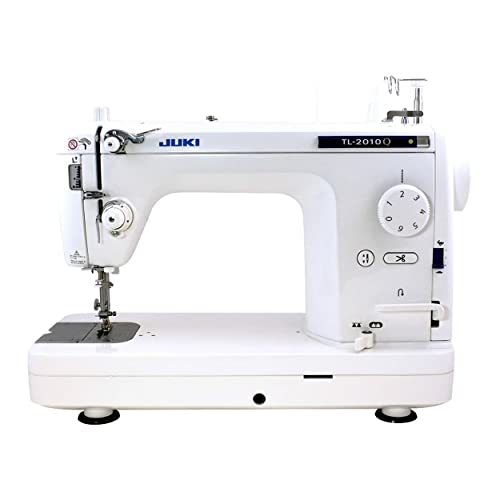 Juki TL-2010Q Juki TL-2010Q | $1,199.00 | Straight stitch only | Auto thread trimmer, knee lifter | No zigzag or buttonholes | Price |
 Juki DDL-8700 Juki DDL-8700 | $1,099.00 | Industrial straight stitch | 5,500 SPM, DBx1 needles to size 18 | Clutch motor, needs table space | Price |
Beginner
Beginner picks: hemming jeans and patching, under $300
These machines hem jeans and sew denim tote bags if you respect their limits: a 100/16 needle, a longer stitch and slow speed at seams.
Singer Heavy Duty 4423 Sewing Machine
$182.41A metal interior frame and stainless steel bedplate help it push through a few layers of denim, and 23 stitches cover hems, seams and overcasting. It is the most common budget answer for jeans hemming.
Best for: Jean hems on a budget
Check price Brother ST371HD Strong and Tough Sewing Machine
$239.99A free arm lets you slide a pant leg around the bed to hem in the round, which is the single most common denim job. The automatic needle threader helps when switching to heavier topstitching thread.
Best for: Hemming in the round
Check pricePrices change often, so confirm on Amazon. As an Amazon Associate we earn from qualifying purchases.
Intermediate
Intermediate picks: sewing jeans and jackets, $380 to $820
Stronger frames, better feeding and foot pressure control mean fewer skipped stitches at thick seams and straighter topstitching.
Janome HD3000 Heavy Duty Sewing Machine with Hard Case
$529.00Adjustable foot pressure is the reason: turn it up and the foot holds heavy denim against the feed dogs for even stitch length across thick and thin sections. It also sews a one-step buttonhole for the waistband.
Best for: All-round denim and everyday sewing
Check price Singer Heavy Duty 500 Classic Sewing Machine
$379.99A full metal frame and a motor Singer rates at 50 percent more power than its standard machines, with adjustable needle position for edge topstitching.
Best for: A metal machine for heavy fabric
Check price Juki HZL-G120 Computerized Sewing Machine
$819.00Juki's box feed keeps the feed dogs in contact with the fabric longer, which helps layers of denim move together instead of the top layer drifting. Eight buttonhole types handle jacket and waistband closures.
Best for: Jeans plus lighter garments
Check pricePrices change often, so confirm on Amazon. As an Amazon Associate we earn from qualifying purchases.
Expert
Expert picks: building jeans from scratch, $1,000 to $1,200
Who should NOT buy this tier: anyone who needs zigzag, buttonholes or stretch stitches from one machine. These are straight-stitch-only. Jeans makers pair them with a zigzag machine or serger for finishing, and use them for the seams and topstitching that show.
Juki TL-2000Qi Long-Arm Sewing and Quilting Machine
$999.00Straight-stitch only at up to 1,500 stitches per minute, with the rigidity of a semi-industrial head. That rigidity is what gives straight, even topstitching through thick flat-felled seams.
Best for: Topstitching and seams on jeans
Check price Juki TL-2010Q High-Speed Sewing and Quilting Machine
$1,199.00The same straight-stitch approach with an automatic thread trimmer and a knee lifter that raises the foot up to 12 mm, so both hands stay on the jeans while you pivot at pocket corners.
Best for: Frequent jeans makers
Check price Juki DDL-8700 Industrial Straight Stitch Sewing Machine
$1,099.00The industrial standard straight stitcher, rated to 5,500 stitches per minute and sold with a 110V clutch motor, taking DBx1 needles up to size 18. It sews denim seams all day, but it needs a table footprint and pedal practice.
Best for: Small-batch jeans production
Check pricePrices change often, so confirm on Amazon. As an Amazon Associate we earn from qualifying purchases.
What size sewing machine needle do you use for denim?
Use a size 100/16 jeans needle for most denim. Go down to 90/14 for lightweight chambray or stretch denim under about 10 oz, and up to 110/18 for heavy raw denim or when sewing through belt loop intersections on a machine that can fit them. The Schmetz Gold Jeans needles 100/16 is a 100/16 jeans needle in the standard 130/705 H household system, which fits almost all domestic machines.
Industrial machines use a different needle system. The Juki DDL-8700 takes DBx1 needles, so household needles will not fit it. The full breakdown is in our sewing machine needle size chart, and the sewing machine needles hub explains jeans, topstitch and universal points.
| Denim weight or task | Needle | Thread | Stitch length |
|---|---|---|---|
| Chambray and shirting denim (under 8 oz) | Jeans 80/12 or 90/14 | All-purpose polyester | 2.5 to 3 mm |
| Stretch denim, 8 to 11 oz | Jeans 90/14 | All-purpose polyester | 3 mm |
| Classic jeans denim, 12 to 14 oz | Jeans 100/16, like Schmetz Gold Jeans needles 100/16 | All-purpose for seams | 3 to 3.5 mm |
| Raw or heavy denim, 14 oz and up | Jeans 100/16 or 110/18 | All-purpose for seams | 3.5 mm |
| Topstitching on any denim | Topstitch or jeans 100/16 | Heavy topstitching thread | 3.5 to 4 mm |
| Hemming in the round | Jeans 100/16 | Match topstitching | 3.5 mm |
What are the best sewing machine settings for denim?
- Lengthen the stitch. 3 to 3.5 mm for seams and 3.5 to 4 mm for topstitching. Short stitches weaken dense fabric and look skimpy.
- Slow down. Use a speed slider if your machine has one, or light pedal pressure. Thick seams need piercing force, not speed.
- Raise foot pressure on machines that allow it, like the Janome HD3000, so the top layer does not creep.
- Loosen upper tension slightly for heavy topstitching thread, and test on a folded scrap with the same number of layers.
- Hand-walk over humps. Turn the hand wheel through the thickest intersection, then resume.
- Level the foot with a folded scrap or a hump jumper behind the heel as it climbs a seam.
Press, then flatten
Pressing seam intersections flat with steam, or even tapping them with a rubber mallet, reduces bulk before you sew over them. It is an old jeans-making trick that saves needles.
What thread weight is best for jeans?
Use all-purpose polyester thread (usually labeled 50 wt) for construction seams, and heavier topstitching thread (often around 30 wt, sold as "jeans" or "topstitch" thread) for the visible gold or copper stitching. Many sewists run heavy thread in the needle only and all-purpose thread in the bobbin, which keeps tension more forgiving on home machines.
Thread weight numbers run backward: a lower number is a thicker thread. See the thread weight chart for how weights compare across brands.
Do you need a serger for jeans?
You do not need one, but it makes jeans look and wear like ready-to-wear. A serger trims and overlocks the raw inside edges in one pass, so denim does not fray in the wash. Without one, flat-felled seams (which enclose raw edges) or a zigzag overcast on a regular machine work fine.
If you do add one, a sturdy 4-thread model such as the Brother ST4031HD, with its carbon steel blade, handles denim edges better than the lightest sergers. Our best serger roundup compares them.
How much denim do you need to make jeans?
Most adult jeans patterns need about 1.5 to 2.5 yards of 58 to 60 inch denim, depending on leg length, rise and whether you cut on a directional nap. Wider hips, longer inseams and matching a stripe or selvedge detail push toward the higher end. Plug your pattern into the garment fabric calculator for a yardage estimate, and check the fabric width chart if your denim is narrow selvedge cloth.
How we chose
We did not test these machines in person. We ranked them on published specifications that matter for denim (frame rigidity, feed system, foot pressure control, stitch type and speed), owner manual guidance on heavy fabric, and recurring themes in verified owner reviews about skipped stitches and topstitching quality on jeans. Needle and thread guidance follows established needle manufacturer recommendations and long-standing jeans-making technique.
Buying tips
- Decide whether you hem jeans or build jeans; the right machine is very different for each.
- Buy jeans needles by the card. Expect to replace one per pair of jeans.
- A straight-stitch machine for construction plus a serger for finishing beats one compromise machine for serious jeans makers.
- Check that any industrial listing includes the table and motor, and whether the motor is clutch or servo.
- Add a bright task lamp; dark indigo and navy thread are hard to see at the needle.
Frequently asked questions
What is the best sewing machine for sewing jeans?
For building jeans from scratch, the Juki TL-2000Qi is the best value choice because it is a rigid straight-stitch machine that topstitches thick seams cleanly at up to 1,500 stitches per minute. For hemming, patching and occasional jeans with buttonholes, the Janome HD3000 is the better all-rounder. On a small budget, the Singer Heavy Duty 4423 handles hems and simple denim seams.
Can a regular sewing machine sew denim?
Yes. Most regular machines sew two to four layers of denim well with a size 100/16 jeans needle, a 3 to 3.5 mm stitch and slow speed. The trouble spots are seam intersections where layers stack up. Hand-walking over them with the hand wheel and leveling the foot with a folded scrap prevents most skipped stitches and broken needles.
Why does my sewing machine skip stitches on denim?
The usual causes are a needle that is too small or dull, a universal needle instead of a jeans needle, the presser foot tilting as it climbs a thick seam, or sewing too fast. Switch to a fresh 100/16 jeans needle, lengthen the stitch, slow down and place a folded scrap behind the foot at humps. Check that the needle is fully inserted with the flat side facing correctly.
What needle size is best for stretch denim?
Stretch denim usually sews best with a 90/14 jeans needle, since it is thinner and more flexible than rigid denim. If you get skipped stitches, try a stretch needle in 90/14, which has a medium ball point and a special eye area designed to reduce skipping on elastane blends. Use a slightly longer stitch and avoid stretching the fabric as it feeds.
Is a straight-stitch-only machine good for jeans?
For construction and topstitching, yes, and many jeans makers prefer it. Straight-stitch machines like the Juki TL-2000Qi have a rigid head and a small needle hole, which gives straighter, more even topstitching on heavy fabric. You will still need a zigzag machine or serger for finishing raw edges and a machine that sews buttonholes, unless you use hammered jeans buttons.
Should I use heavy thread in the bobbin for topstitching?
Usually not. Most home sewists put heavy topstitching thread in the needle only and all-purpose polyester in the bobbin, which keeps tension balanced and avoids bobbin jams. Loosen the upper tension slightly, use a topstitch or 100/16 jeans needle with a large eye, lengthen the stitch to about 3.5 mm and test on scraps with the same layer count first.
How we research: we compare manufacturer specifications, owner manuals, published standards and recurring themes in verified owner reviews. We do not test products in person, and this is researched guidance, not professional advice. Follow your machine manual and pattern, and take care with rotary cutters, hot irons and needles. As an Amazon Associate we earn from qualifying purchases.