Fabric Yardage Calculator for Clothes: Dresses, Skirts, Pants and Shirts
Plan about 2 3/4 yd of 45 inch fabric or 2 1/8 yd of 60 inch fabric for a short sleeve, knee length dress in size M. Add 10 to 15 percent for nap or one-way prints (3 1/4 yd at 15 percent) and more for plaids: an 8 inch repeat brings it to 3 1/2 yd.
Pick a garment, style and size, then choose your fabric width. The calculator starts from our planning yardage chart and adds what the chart leaves out: extra for nap or one-way prints, prewash shrinkage and plaid or stripe matching.
Your garment and fabric
Your results
Dress, short sleeve, knee length, size M
About 2.5 m of 45 in fabric
| Chart yardage | 2 3/4 yd |
|---|---|
| Nap or one-way | none |
| Plaid matching | none |
| Added in total | 0 yd |
Machines for dresses, skirts, pants and shirts
Woven garments need a smooth straight stitch, even feeding and a buttonhole you trust, and a serger for clean insides.

Juki HZL-G120 Computerized Sewing Machine
$819.00Box feed and eight buttonhole types for shirts and dresses.
Check price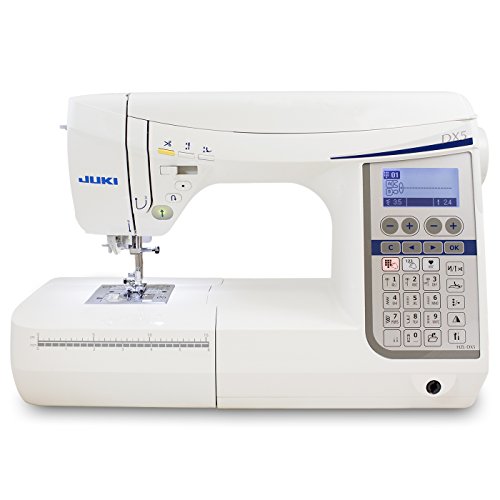
Juki HZL-DX5 Computerized Sewing Machine
$1,099.00Adjustable foot pressure and an automatic one-step buttonhole.
Check price
Juki Pearl Line MO-654DE Serger
$599.00A 2, 3 or 4 thread serger for ready-to-wear seam finishes.
Check pricePrices change often, so confirm on Amazon. As an Amazon Associate we earn from qualifying purchases.
Machines for T-shirts and knits
Knits sew fastest on a serger, and a coverstitch machine gives stretchy professional hems.
Juki Pearl Line MO-654DE Serger
$599.00Differential feed keeps knit seams from waving.
Check price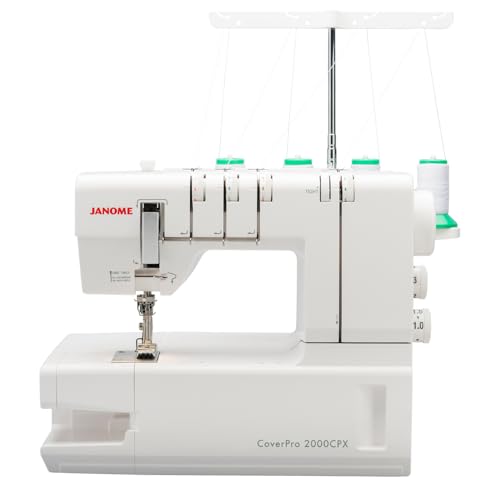
Janome CoverPro 2000CPX Coverstitch Machine
$799.00Chain, cover and triple cover stitch for T-shirt and legging hems.
Check price Juki HZL-G120 Computerized Sewing Machine
$819.00A garment machine for necklines, pockets and topstitching.
Check pricePrices change often, so confirm on Amazon. As an Amazon Associate we earn from qualifying purchases.
Machines for jackets, coats and vests
Coating, denim and several layers at collars need a machine with power and adjustable foot pressure.

Janome HD3000 Heavy Duty Sewing Machine with Hard Case
$529.00A heavy-duty machine with adjustable foot pressure for wool coating and denim.
Check price Juki HZL-DX5 Computerized Sewing Machine
$1,099.00Even feeding over bulky seams and a clean buttonhole on thick fabric.
Check price
Oliso TG1600 Pro Plus Auto-Lift Steam Iron
$199.99Strong steam for shaping collars and pressing wool.
Check pricePrices change often, so confirm on Amazon. As an Amazon Associate we earn from qualifying purchases.
Big home sewing projects
Duvet covers, curtains and tablecloths are about cutting space and pressing as much as the machine.

Sew Ready Fabric Cutting Standing Table with Craft Organizers
$369.99A standing, folding cutting table for long yardage.
Check price Janome HD3000 Heavy Duty Sewing Machine with Hard Case
$529.00Handles decor weights and many layers at hems.
Check price Oliso TG1600 Pro Plus Auto-Lift Steam Iron
$199.99An auto-lift iron for long seams and hems.
Check pricePrices change often, so confirm on Amazon. As an Amazon Associate we earn from qualifying purchases.
How do you calculate how much fabric you need for clothes?
When you have a commercial pattern, the envelope back is the answer: it lists yardage for every view and size on 45 inch and 60 inch fabric, and it was worked out by laying the real pattern pieces on the fabric. This calculator is for everything before that point: planning a fabric purchase before you have chosen a pattern, buying from a shop that only sells precut lengths, estimating a self-drafted or copied garment, or deciding whether a gorgeous remnant is big enough.
It works in three steps, and each one is shown in the results panel:
- Start from planning yardage. Our chart gives a base figure for each garment, style and size on 45 and 60 inch fabric, for plain fabric with no nap. A short sleeve, knee length dress in a medium is 2 3/4 yd on 45 inch fabric.
- Scale for direction and shrinkage. Nap and one-way prints multiply the base by 1.10 or 1.15. Shrinkage multiplies again by your percentage. At 15 percent for nap, 2 3/4 yd becomes 3.16 yards, which rounds up to 3 1/4 yd.
- Add matching and round up. For plaids and stripes, the calculator estimates the number of main cuts by dividing the base yardage in inches by 27 (at least two), adds half a repeat per cut and one extra repeat, and rounds the total up to the next eighth of a yard. An 8 inch plaid on the default dress means 4 cuts, 24 inches of matching allowance, and 3 1/2 yd in total. With nap as well, it is 3 7/8 yd.
Rounding up to an eighth of a yard matches how most US fabric counters cut. If your shop cuts only in quarter yards, round up once more.
Fabric yardage chart for common garments
Every garment and style in the calculator is below, in size M or the base size for home items. The nap column adds 15 percent, and the plaid column adds matching for an 8 inch repeat, both on 45 inch fabric. Click a garment for its full size chart.
| Garment | Style | 45 in | 60 in | 45 in, nap | 45 in, 8 in plaid |
|---|---|---|---|---|---|
| Dress | Sleeveless, knee length | 2 1/2 yd | 1 7/8 yd | 2 7/8 yd | 3 1/4 yd |
| Dress | Short sleeve, knee length | 2 3/4 yd | 2 1/8 yd | 3 1/4 yd | 3 1/2 yd |
| Dress | Long sleeve, knee length | 3 yd | 2 1/4 yd | 3 1/2 yd | 3 3/4 yd |
| Dress | Sleeveless, maxi | 3 1/2 yd | 2 5/8 yd | 4 1/8 yd | 4 3/8 yd |
| Dress | Short sleeve, maxi | 3 3/4 yd | 2 7/8 yd | 4 3/8 yd | 4 5/8 yd |
| Dress | Long sleeve, maxi | 4 yd | 3 yd | 4 5/8 yd | 5 yd |
| A-Line Skirt | Knee length | 1 1/2 yd | 1 1/8 yd | 1 3/4 yd | 2 yd |
| Circle Skirt | Full circle, knee length | 3 1/2 yd | 2 1/4 yd | 4 1/8 yd | 4 3/8 yd |
| Pants | Full length | 2 1/2 yd | 1 5/8 yd | 2 7/8 yd | 3 1/4 yd |
| Shorts | Mid-thigh | 1 1/4 yd | 7/8 yd | 1 1/2 yd | 1 3/4 yd |
| Button-Up Shirt | Long sleeve | 2 1/4 yd | 1 3/4 yd | 2 5/8 yd | 2 7/8 yd |
| Button-Up Shirt | Short sleeve | 2 yd | 1 1/2 yd | 2 3/8 yd | 2 5/8 yd |
| T-Shirt | Short sleeve, knit | 2 yd | 1 1/2 yd | 2 3/8 yd | 2 5/8 yd |
| Jacket | Hip length, unlined | 2 3/8 yd | 1 7/8 yd | 2 3/4 yd | 3 1/8 yd |
| Coat | Knee length, unlined | 3 1/4 yd | 2 1/2 yd | 3 3/4 yd | 4 1/8 yd |
| Vest | Sleeveless, lined in self | 1 1/8 yd | 7/8 yd | 1 3/8 yd | 1 5/8 yd |
| Pajama Pants | Full length, loose | 2 3/4 yd | 2 1/4 yd | 3 1/4 yd | 3 1/2 yd |
| Scrub Top | V-neck, short sleeve | 2 1/8 yd | 1 3/8 yd | 2 1/2 yd | 2 3/4 yd |
| Apron | Full bib apron (Adult) | 1 1/2 yd | 1 yd | 1 3/4 yd | 2 yd |
| Tote Bag | Medium, about 15 x 16 in, exterior and straps (One size) | 3/4 yd | 5/8 yd | 7/8 yd | 1 1/4 yd |
| Pillowcase | Standard (20 x 26 in pillow), cuffed (Standard) | 1 1/8 yd | 1 1/8 yd | 1 3/8 yd | 1 5/8 yd |
| Pillowcase | Queen (20 x 30 in pillow), cuffed (Queen) | 1 1/4 yd | 1 1/4 yd | 1 1/2 yd | 1 3/4 yd |
| Pillowcase | King (20 x 36 in pillow), cuffed (King) | 1 3/8 yd | 1 3/8 yd | 1 5/8 yd | 1 7/8 yd |
| Duvet Cover | Twin, both sides (finished 68 x 88 in) (Twin) | 10 1/4 yd | 10 1/4 yd | 11 7/8 yd | 12 1/8 yd |
| Duvet Cover | Full/Queen, both sides (finished 90 x 90 in) (Full/Queen) | 15 3/4 yd | 10 1/2 yd | 18 1/8 yd | 18 3/8 yd |
| Duvet Cover | King, both sides (finished 104 x 90 in) (King) | 15 3/4 yd | 10 1/2 yd | 18 1/8 yd | 18 3/8 yd |
| Curtain Panel | One panel, 63 in finished length (63 in) | 2 1/4 yd | 2 1/4 yd | 2 5/8 yd | 2 7/8 yd |
| Curtain Panel | One panel, 84 in finished length (84 in) | 2 7/8 yd | 2 7/8 yd | 3 3/8 yd | 3 5/8 yd |
| Curtain Panel | One panel, 95 in finished length (95 in) | 3 1/8 yd | 3 1/8 yd | 3 5/8 yd | 4 yd |
| Curtain Panel | One panel, 108 in finished length (108 in) | 3 1/2 yd | 3 1/2 yd | 4 1/8 yd | 4 3/8 yd |
| Cushion Cover | 16 in form, envelope back (16 in) | 3/4 yd | 1/2 yd | 7/8 yd | 1 1/4 yd |
| Cushion Cover | 18 in form, envelope back (18 in) | 3/4 yd | 5/8 yd | 7/8 yd | 1 1/4 yd |
| Cushion Cover | 20 in form, envelope back (20 in) | 7/8 yd | 7/8 yd | 1 1/8 yd | 1 3/8 yd |
| Tablecloth | Rectangle 36 x 60 in table, 10 in drop (4 seat) | 4 5/8 yd | 2 3/8 yd | 5 3/8 yd | 5 5/8 yd |
| Tablecloth | Rectangle 36 x 72 in table, 10 in drop (6 seat) | 5 1/4 yd | 2 5/8 yd | 6 1/8 yd | 6 1/4 yd |
| Tablecloth | Rectangle 42 x 96 in table, 10 in drop (8 seat) | 6 5/8 yd | 6 5/8 yd | 7 5/8 yd | 7 7/8 yd |
| Tablecloth | Round 48 in table, 10 in drop (48 in round) | 4 yd | 4 yd | 4 5/8 yd | 5 yd |
| Tablecloth | Round 60 in table, 10 in drop (60 in round) | 4 5/8 yd | 4 5/8 yd | 5 3/8 yd | 5 5/8 yd |
| Placemats | Set of 4, 13 x 19 in, front and back same fabric (Set of 4) | 1 5/8 yd | 1 1/8 yd | 1 7/8 yd | 2 1/4 yd |
| Napkins | Set of 4, 18 in finished (Set of 4) | 1 1/8 yd | 1 1/8 yd | 1 3/8 yd | 1 5/8 yd |
| Napkins | Set of 8, 18 in finished (Set of 8) | 2 1/8 yd | 1 5/8 yd | 2 1/2 yd | 2 3/4 yd |
| Christmas Stocking | One stocking, outer and cuff (about 18 in tall) (One) | 3/4 yd | 5/8 yd | 7/8 yd | 1 1/4 yd |
These are planning estimates compiled from published sewing yardage guides and computed layouts, rounded to the nearest eighth of a yard. Fit, ease and design details move the number: a very full skirt, puffed sleeves, a lining or a big collar can each add half a yard or more. The full reference is our fabric yardage chart.
How much extra fabric do you need for nap, one-way prints and plaids?
Nap is a surface with a direction. Velvet, velveteen, corduroy, faux fur and brushed fabrics look lighter from one direction and darker from the other, so every piece must point the same way or the garment looks like two colors. One-way prints, such as animals that all stand upright, behave the same way. Plain fabrics let you turn pieces head to toe and nest them tightly, which is why a nap layout uses more. Published guidance, including many pattern envelopes that list a separate "with nap" yardage, usually lands at 10 to 15 percent more.
Plaids and stripes are about matching, not direction. Side seams, center fronts and sleeves should meet at the same point in the plaid, so each piece is placed at a matching line rather than wherever it fits. Even plaids can be turned, while uneven plaids also need a one-way layout, so use the nap setting as well.
| Size | 45 in | 60 in | Nap +10% | Nap +15% | 8 in plaid | Plaid and nap |
|---|---|---|---|---|---|---|
| S | 2 1/2 yd | 2 yd | 2 3/4 yd | 2 7/8 yd | 3 1/4 yd | 3 5/8 yd |
| M | 2 3/4 yd | 2 1/8 yd | 3 1/8 yd | 3 1/4 yd | 3 1/2 yd | 3 7/8 yd |
| L | 3 yd | 2 3/8 yd | 3 3/8 yd | 3 1/2 yd | 3 3/4 yd | 4 1/8 yd |
| XL | 3 1/4 yd | 2 1/2 yd | 3 5/8 yd | 3 3/4 yd | 4 1/8 yd | 4 5/8 yd |
The same rules apply to every garment. Full length pants in a medium go from 2 1/2 yd to 2 7/8 yd in corduroy, a typical napped pants fabric.
Buy a little extra on fabric you love
Many experienced sewists add a quarter to half a yard on top of any estimate for straightening the grain, fixing a cutting mistake, or making a matching scrunchie. A limited print may never be available again.
Is 60 inch fabric better for making clothes?
Wider fabric usually needs fewer yards, but not always fewer dollars. On 60 inch fabric, front and back pieces can often sit side by side, so the base dress drops from 2 3/4 yd to 2 1/8 yd. Long, narrow pieces such as pants legs save less, and large pieces such as circle skirts save more: the full circle skirt drops from 3 1/2 yd to 2 1/4 yd. Knits are almost always 58 to 60 inches wide, which is why the T-shirt in a medium needs just 1 1/2 yd. Before buying the wider bolt, compare the price per yard, and check the fabric width chart for the widths common to each fabric type.
If your pattern gives yardage for a width you are not buying, the fabric yardage converter estimates the equivalent by area with a waste allowance.
What sewing machine is best for garment sewing?
Garment sewing rewards precise feeding, a reliable buttonhole and good seam finishes more than a long list of decorative stitches. A mechanical or computerized machine with even feeding handles most wovens. The Juki HZL-G120 uses box feed and offers eight buttonhole types, and the Juki HZL-DX5 adds adjustable foot pressure for tricky fabrics.
For knits and ready-to-wear insides, a serger is the most common second machine. The Juki MO-654DE sews 2, 3 or 4 thread seams with differential feed, and a coverstitch machine such as the Janome CoverPro 2000CPX sews the stretchy hems on T-shirts. Good shears matter too: Gingher 8 inch dressmaker shears are a long-standing favorite for cutting garment fabric.
Frequently asked questions
How many yards of fabric do I need for a dress?
A short sleeve, knee length dress in a medium takes about 2 3/4 yd of 45 inch fabric or 2 1/8 yd of 60 inch fabric in our planning chart. Sleeveless styles use less and long sleeve maxi dresses use more, up to 4 1/2 yards of 45 inch fabric in an XL. Your pattern envelope lists exact yardage by view and size and always wins.
How much extra fabric do I need for a directional print or nap?
Fabrics with nap, pile or a one-way print, such as velvet, corduroy, faux fur and prints with an up and down, need every piece cut facing the same direction, so pieces cannot be turned to nest. Plan 10 to 15 percent more. For our default dress that is 3 1/8 yd at 10 percent or 3 1/4 yd at 15 percent, compared with 2 3/4 yd for a plain fabric.
How much extra fabric do I need to match plaids?
Matching plaids and stripes wastes about half a repeat for every main piece, plus a full repeat to position the first piece. This calculator estimates main cuts from the base yardage and adds that allowance. For the default dress, an 8 inch plaid repeat adds about 24 inches, for 3 1/2 yd in total. Uneven plaids can need more because pieces cannot be flipped.
How much less fabric do I need with 60 inch fabric?
Often about a quarter less, because pattern pieces fit side by side instead of one after another. The default dress drops from 2 3/4 yd on 45 inch fabric to 2 1/8 yd on 60 inch fabric. Full circle skirts save the most, going from 3 1/2 yd to 2 1/4 yd in a medium. Compare price per yard, since wide fabric often costs more.
Should I prewash fabric before cutting a garment?
Yes for anything you will wash later. Cotton, linen and rayon commonly shrink, and a garment cut from unwashed fabric can lose a size after the first wash. Enter a shrinkage percentage in the calculator to buy enough: 5 percent on the default dress raises the plan from 2 3/4 yd to 3 yd. Wash and dry the fabric the same way you will wash the finished garment.
Do I need a serger to sew clothes?
No. A sewing machine with a straight stitch, zigzag and a good buttonhole sews every garment in this chart. A serger trims and overcasts seam allowances in one pass, which gives ready-to-wear finishes and makes knits much faster, and a coverstitch machine sews the stretchy twin-needle hems on T-shirts and leggings. Many sewists add a serger first and a coverstitch later.
How we research: we compare manufacturer specifications, owner manuals, published standards and recurring themes in verified owner reviews. We do not test products in person, and this is researched guidance, not professional advice. Follow your machine manual and pattern, and take care with rotary cutters, hot irons and needles. As an Amazon Associate we earn from qualifying purchases.