Serger vs Sewing Machine: Do You Need Both? (Brother 1034D vs CS7000X)
Buy a sewing machine first; a serger cannot replace one. The Brother CS7000X sews seams, zippers, buttonholes and topstitching for about $280. Add a serger like the Brother 1034D, about $285, once you sew knits or want store-bought seam finishes, because it trims, stitches and overcasts an edge in one pass.
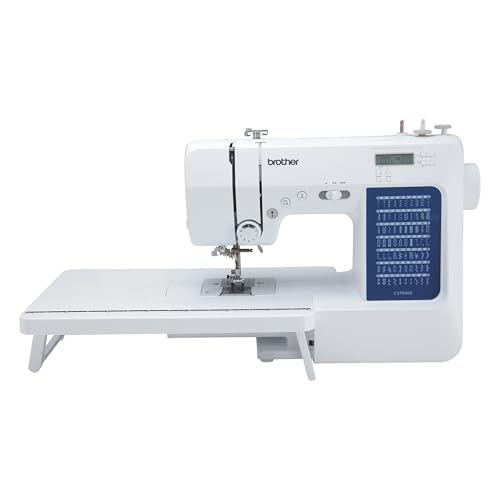 Brother CS7000X Computerized Sewing and Quilting Machine $279.99 Check price on Amazon
 The verdict
A sewing machine is the essential tool and a serger is the finishing tool, so buy the sewing machine first. These are different tools that happen to look alike: a serger cannot sew a buttonhole, insert a zipper neatly, topstitch or quilt, while a sewing machine can do nearly everything a serger does, just more slowly and with a less professional edge.
The reason people love sergers is speed and finish on knits. A serger (also called an overlocker) uses a knife to trim the seam allowance while 3 or 4 threads wrap the edge, which stretches with knit fabric and stops woven edges from fraying. If you sew T-shirts, leggings or lots of garments, a serger saves hours. If you quilt or make home decor, it is often a machine that sits in the closet.
Serger vs Sewing machine: side by side
| Feature | Serger | Sewing machine |
|---|---|---|
| Representative model | Brother 1034D | Brother CS7000X |
| Price | About $285 | About $280 |
| Threads used | 3 or 4 | 2 (top thread and bobbin) |
| Max speed | 1,300 SPM | Not listed in the specs we verified |
| Trims fabric | Yes, built-in knife | No |
| Buttonholes and zippers | No | Yes, 7 one-step buttonhole styles |
| Built-in stitches | Overlock, rolled hem, flatlock variations | 70 |
| Stretchy knit seams | Excellent | Good with a stretch or zigzag stitch |
| Quilting | Rarely useful | Yes, with included quilt guide and wide table |
Can a serger replace a sewing machine?
No. A serger only sews on the edge of fabric, because the knife trims as it stitches. It cannot sew a dart in the middle of a panel, attach a patch pocket, topstitch a hem, sew a buttonhole or quilt. Every serger owner still owns a sewing machine.
The reverse is mostly true: a sewing machine can finish seams with a zigzag or overcast stitch and sew knits with a stretch stitch. The results look more homemade and take longer, but they hold up. That is why the Brother CS7000X is the first machine and the Brother 1034D is the upgrade.
| Job | Serger | Sewing machine | Best choice |
|---|---|---|---|
| Seam finishing on wovens | Trims and overcasts in one pass | Zigzag or overcast stitch, slower | Serger |
| T-shirt and leggings seams | Stretchy 4-thread seam | Stretch stitch or narrow zigzag | Serger |
| Rolled hems on scarves and napkins | Yes, rolled hem setting | Rolled hem foot, fiddly | Serger |
| Zippers, buttonholes, pockets | No | Yes | Sewing machine |
| Topstitching and hems on jeans | No | Yes | Sewing machine |
| Piecing and quilting | No | Yes | Sewing machine |
| Knit hems like store-bought tees | No, needs a coverstitch | Twin needle, approximates it | Coverstitch machine |
Is a serger worth it for a beginner?
Usually not as a first purchase. A beginner learns more from a sewing machine and gets better value from spending on fabric, a good iron and scissors. A serger becomes worth it once you sew garments regularly, especially knits, or when frayed seam allowances inside your projects start to bother you.
The honest hurdle is threading. Sergers have two loopers, curved hooks under the plate that carry thread, and they are notoriously fiddly to thread by hand. The Brother 1034D uses color-coded threading paths, and owners often recommend the tie-on method: tie new thread to old and pull it through. If threading is a dealbreaker because of eyesight or hand strength, look at air threading like the Brother AIR1800. See air threading vs regular sergers and how to use a serger.
Serger vs zigzag stitch: what is the difference?
A zigzag stitch on a sewing machine wraps thread around the edge to stop fraying, but it does not trim the fabric and uses only two threads, so thick fabrics can tunnel and ripple. A serger's 3 or 4 threads lock around a freshly trimmed edge and add stretch, which is why knit garments from stores are serged. For quilting cotton projects, a zigzag or pinked edge is plenty; for garments that get washed weekly, the serged finish lasts longer.
Choose Serger if
- You already own a sewing machine you like.
- You sew knit garments, activewear or baby clothes often.
- You want professional, fray-proof seam finishes fast.
- You make napkins, scarves or ruffles that benefit from rolled hems.
Choose Sewing machine if
- This is your first machine.
- You quilt, make home decor, bags or mend.
- You need buttonholes, zippers and topstitching.
- You want one machine that covers nearly every project.
Our picks for each machine type
Brother CS7000X Computerized Sewing and Quilting Machine
$279.99The first machine for most people: 70 stitches, 10 feet, wide table and hard case.
Check price
Janome HD3000 Heavy Duty Sewing Machine with Hard Case
$529.00A buy-once mechanical machine with adjustable presser foot pressure.
Check price
Brother 1034D Serger
$284.99The best-known first serger: 3 or 4 threads, 1,300 SPM and a metal frame.
Check price
Juki Pearl Line MO-654DE Serger
$599.00A step-up serger with 2, 3 or 4 thread options.
Check price
Brother AIR1800 Air Threading Serger
$899.99Air-threads the loopers at the push of a button, a big help for tired hands and eyes.
Check pricePrices change often, so confirm on Amazon. As an Amazon Associate we earn from qualifying purchases.
This comparison is drawn from published specifications, owner manuals and the consensus of verified owner reviews, not side-by-side testing.
Frequently asked questions
Do I need a serger if I have a sewing machine?
No, but you may want one. A sewing machine can finish seams with zigzag or overcast stitches and sew knits with a stretch stitch. A serger adds speed, a trimmed and wrapped edge and stretchier knit seams. If you mostly quilt or sew home decor, skip it. If you sew garments weekly, especially knits, a serger like the Brother 1034D is a popular upgrade.
Is a serger the same as an overlock machine?
Yes, in home sewing the two names mean the same machine. In the US it is usually called a serger, and in the UK and elsewhere an overlocker. Both trim the fabric edge with a knife and wrap it with 3 or 4 threads. A coverstitch machine is different: it hems knits without trimming and cannot sew an overlock seam.
Can you quilt with a serger?
Not in the usual sense. A serger cannot quilt through layers or sew a precise quarter-inch piecing seam across a block, because it trims as it stitches. Some quilters use one for rag quilts, quick T-shirt quilt prep or finishing the edges of backing fabric before washing. For piecing and quilting, a sewing machine with a quilt guide, like the Brother CS7000X, is the right tool.
What is a serger machine used for?
A serger sews and finishes seams on garments, especially knits, trims and overcasts raw edges to stop fraying, sews rolled hems on napkins and scarves, gathers ruffles and makes flatlock decorative seams. It works fast, up to 1,300 SPM on the Brother 1034D. It cannot make buttonholes, insert zippers or topstitch, so it works alongside a sewing machine.
Is a serger hard to learn?
The sewing is easy; the threading takes practice. Most beginners feel comfortable after threading it a few times with the color-coded diagram and learning the tie-on method for changing colors. Tension on four threads can seem intimidating, but default settings work for most mid-weight fabrics. Air-threading sergers remove the hardest step if hand dexterity or eyesight make threading difficult.
How we research: we compare manufacturer specifications, owner manuals, published standards and recurring themes in verified owner reviews. We do not test products in person, and this is researched guidance, not professional advice. Follow your machine manual and pattern, and take care with rotary cutters, hot irons and needles. As an Amazon Associate we earn from qualifying purchases.