Intermediate Sewing Room Setup: A Buy-Once Spare Room for About $2,343
An intermediate sewing room costs about $2,343 and centers on the Arrow Millie cutting table: a 59 by 37 inch surface with a folding 27 by 12 inch ironing board. Around it: a Sew Ready Pro Stitch sewing table, the Arrow hydraulic sewing chair, an Oliso auto-lift iron, a Daylight Slimline 4 floor lamp, pegboard, a thread rack and a design wall.
Intermediate setup
This is the setup for turning a spare bedroom into a sewing room you will not outgrow in two years. The beginner corner folds away; this one stays set up, so you can walk in and sew for twenty minutes. The build is about $2,343 across 16 lines, and the three biggest lines are the cutting table, the chair and the lamp, which are the pieces sewists most often say they should have bought first.
The centerpiece is the Arrow Millie, about $700. Open, it gives a 59 by 37 inch cutting surface on locking casters, and a 27 by 12 inch ironing board folds out of it, so cutting and pressing happen in one spot. Your sewing machine is not included; see our intermediate sewing machine picks.
Everything in the intermediate sewing room setup
The sewing surface
| Item | Why this one | Qty | Price | Buy |
|---|---|---|---|---|
 Sew Ready Pro Stitch Sew Ready Pro Stitch | A 56.75 by 23.75 inch top with an adjustable drop-down machine platform, three metal mesh drawers and a 9.5 inch folding side shelf. Wider than the beginner table so a quilt or dress rests on the table, not your lap. The expert tier moves to a hydraulic lift cabinet with quilt leaves. | 1 | $213.99 | Price |
| The sewing surface subtotal | $213.99 | |||
Seating
| Item | Why this one | Qty | Price | Buy |
|---|---|---|---|---|
 Arrow Hydraulic Sewing Chair Arrow Hydraulic Sewing Chair | A hydraulic sewing chair with an 18 to 22 inch seat range, an under-seat storage compartment and a five-star 360 degree swivel base, with a 1 year warranty. Designed for sewing tables, with no arms to catch fabric. This chair carries over to the expert room. | 1 | $399.99 | Price |
| Seating subtotal | $399.99 | |||
Cutting station
| Item | Why this one | Qty | Price | Buy |
|---|---|---|---|---|
 Arrow Millie Arrow Millie | Opens to a 59 by 37 inch surface with a folding 27 by 12 inch ironing board and locking casters. Compared with the beginner folding table, it is a larger, steadier, dedicated station. The expert tier moves to a 70 by 40 inch Kangaroo table. | 1 | $699.99 | Price |
 Olfa 24x36 Mat Olfa 24x36 Mat | A double-sided 24 by 36 inch mat, 1.5 mm thick, grid on one side. | 1 | $59.99 | Price |
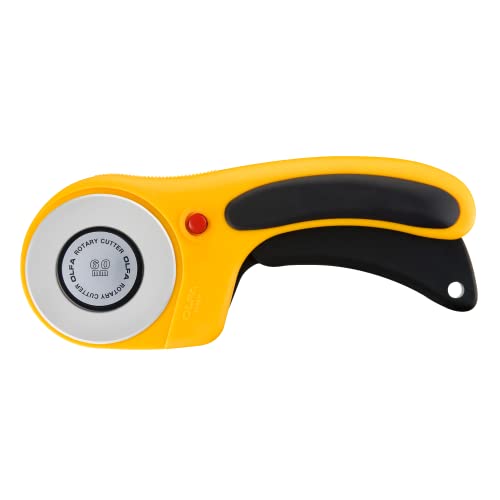 Olfa RTY-3/DX 60mm Olfa RTY-3/DX 60mm | A 60 mm cutter with a squeeze trigger and self-retracting blade, rated for up to 12 layers of cotton. The trigger retracts the blade automatically when you let go, and the larger blade cuts thick stacks with less pressure. | 1 | $26.49 | Price |
 Creative Grids 6-1/2 x 24-1/2 Creative Grids 6-1/2 x 24-1/2 | A 6-1/2 by 24-1/2 inch non-slip ruler for cutting strips across folded yardage. | 1 | $39.99 | Price |
 Omnigrid 12-1/2 in Square Omnigrid 12-1/2 in Square | A 12-1/2 inch square ruler for squaring up blocks and trimming pattern pieces. | 1 | $27.04 | Price |
| Cutting station subtotal | $853.50 | |||
Pressing station
| Item | Why this one | Qty | Price | Buy |
|---|---|---|---|---|
 Oliso TG1600 Pro Plus Oliso TG1600 Pro Plus | A 1,800 W iron weighing 3.7 lb with iTouch auto-lift, which raises the iron off the fabric when you let go, and a 12 ft swivel cord. Auto-lift means you never set it on its heel, which many sewists find easier on the wrist. | 1 | $199.99 | Price |
 PQT Wool Mat 17x24 PQT Wool Mat 17x24 | A 17 by 24 inch wool pressing mat for pressing blocks flat on the cutting table beside the built-in board. | 1 | $34.99 | Price |
| Pressing station subtotal | $234.98 | |||
Lighting
| Item | Why this one | Qty | Price | Buy |
|---|---|---|---|---|
 Daylight Slimline 4 Floor Daylight Slimline 4 Floor | 6,000K daylight, CRI 95 plus, 3,200 lux at 30 cm and four brightness levels with a USB-C charging port. Brighter than the beginner OttLite, which matters with navy, black and busy prints. | 1 | $224.99 | Price |
 Madam Sew Light Strip Madam Sew Light Strip | A 24 LED 6500K strip under the machine arm to light the needle area. | 1 | $19.99 | Price |
| Lighting subtotal | $244.98 | |||
Thread, notion and fabric storage
| Item | Why this one | Qty | Price | Buy |
|---|---|---|---|---|
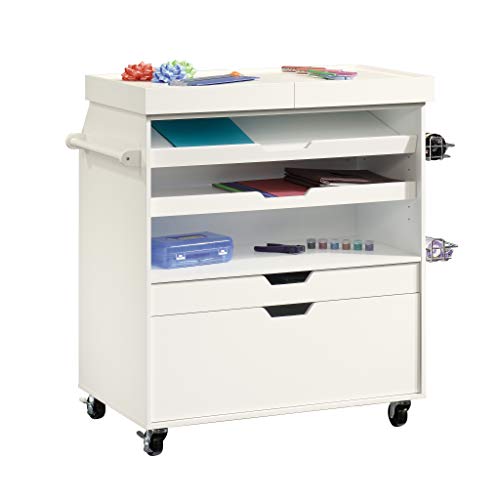 Sauder Craft Pro Cart Sauder Craft Pro Cart | A rolling cart with adjustable shelves that can incline for display and drawers on metal runners, sized to park beside the sewing table. | 1 | $156.99 | Price |
 Threadart 120 Spool Rack Threadart 120 Spool Rack | A 120 spool rack in a 15 by 24 inch frame, wall mounted above the machine. | 1 | $44.99 | Price |
 Wall Control Pegboard Kit Wall Control Pegboard Kit | A 4 ft powder-coated steel pegboard that accepts standard 1/4 inch pegs and mounts to studs or drywall. Rulers, scissors and cutters hang in sight instead of in a drawer. | 1 | $133.19 | Price |
 Amazon Basics Storage Cubes Amazon Basics Storage Cubes | Six 13 inch cubes for folded yardage and projects in progress. | 1 | $19.94 | Price |
| Thread, notion and fabric storage subtotal | $355.11 | |||
Design wall
| Item | Why this one | Qty | Price | Buy |
|---|---|---|---|---|
 Missouri Star Design Wall Optional Missouri Star Design Wall Optional | A 62 by 72 inch flannel wall with a 5 inch grid. Blocks cling without pins so you can audition a layout from across the room. Optional for garment sewists, though many use it for pattern pieces. | 1 | $39.95 | Price |
| Design wall subtotal | $39.95 | |||
About $2,343 for the room, not counting the machine. The cutting table, chair, lamp and iron are roughly 65% of it and are the lines that last longest.
Prices were current when compiled and change often, so confirm each on Amazon. Lines marked "See price" have no verified listing price and are left out of the total rather than guessed. As an Amazon Associate we earn from qualifying purchases, at no extra cost to you.
What you can skip for now
Skip the lift cabinet for now. The Kangaroo Bandicoot or Arrow Harriet adds a hydraulic lift, but a drop-down table does most of the same job for a fraction of the cost. Buy a cabinet when you know your machine and room are staying put.
Skip a separate ironing station. The Millie's built-in board plus a wool mat covers pressing; the Kangaroo Kiwi is an expert-room piece.
Skip a premium office chair. A Steelcase Series 1 is a fine chair, but arms and a tall back get in the way at a sewing table; the Arrow is designed for this job.
What to upgrade first
1. The sewing surface, if you quilt. A hydraulic lift cabinet like the Kangaroo Melbourne puts a large machine flush with the table and adds a rear quilt leaf to support weight.
2. Task light at the cutting table. A clamp-on Daylight Lumi with 4,000 lux and a 100 cm reach lights the mat directly.
3. Storage with a work surface. A locking drawer cabinet such as the Arrow Dingo gives a place for everything plus a rear quilt leaf.
What should be in a sewing room?
Every functional sewing room has six stations, whether they are separate pieces of furniture or share one surface. This table maps each to the intermediate setup and shows what it would be in the beginner and expert rooms.
| Station | Beginner | Intermediate | Expert |
|---|---|---|---|
| Sewing surface | Sew Ready Folding Sewing Table | Sew Ready Pro Stitch | Kangaroo Melbourne |
| Seating | Boss Perfect Posture Armless Chair | Arrow Hydraulic Sewing Chair | Arrow Hydraulic Sewing Chair |
| Cutting | Sew Ready Standing Cutting Table | Arrow Millie | Kangaroo Kookaburra |
| Pressing | Rowenta Pro Master on a wool mat | Oliso TG1600 Pro Plus on the Millie board | Reliable Velocity 270IR on the Kangaroo Kiwi |
| Lighting | OttLite ClearSun Floor | Daylight Slimline 4 Floor | Daylight Slimline 4 Floor plus Daylight Lumi |
| Storage | IRIS 10-Drawer Cart | Sauder Craft Pro Cart and pegboard | Arrow Dingo |
Our sewing room setup guide walks through placing each one.
Is a hydraulic sewing chair worth it?
For anyone who sews for long sessions, a dedicated sewing chair is one of the most worthwhile purchases. An office chair's arms hit the table edge and its tall back and tilt encourage leaning away from the machine. The Arrow Hydraulic Sewing Chair is armless, adjusts from 18 to 22 inches so your forearms can sit level with the machine bed, swivels to reach the cutting table, and hides notions under the seat.
The trade-off is a simpler back than a high-end office chair. Read the Arrow hydraulic sewing chair review and our sewing chair roundup. This is general comfort guidance; for ongoing back or neck pain, see a doctor.
Where should you put the iron in a sewing room?
Close to the machine but not on the same surface. Most piecing alternates sew, press, sew, press, so a pressing spot within a turn of the chair saves hundreds of steps per quilt. The Millie's folding board and the wool mat put pressing on the cutting table, one swivel away from the Pro Stitch table.
- Plug the iron into a wall outlet or heavy-duty cord, not the same power strip as the machine and lamps.
- Keep the cord behind the work so it cannot be pulled by a foot or pet.
- An auto shutoff or auto-lift iron like the Oliso TG1600 Pro Plus reduces the risk of scorching and tipping.
Compare irons in our iron for quilting roundup and wool pressing mat vs ironing board.
Frequently asked questions
How do I turn a spare bedroom into a sewing room?
Start by placing the sewing table near the best outlet and window, then put the cutting table where you can walk around at least two sides, with pressing within a turn of the chair. Add a color accurate floor lamp, wall storage for thread and rulers, and a design wall on the longest open wall. Measure the room first, and plan about 30 to 36 inches for walkways between pieces.
Is the Arrow Millie a good cutting table?
For a spare-room sewing space, it is a practical choice. The Arrow Millie opens to a 59 by 37 inch surface, has a folding 27 by 12 inch ironing board built in and rolls on locking casters. Its combined cutting and pressing design suits rooms where a separate ironing board would crowd the floor. Quilters who cut large pieces often may prefer a larger table such as the Kangaroo Kookaburra.
What is the difference between a sewing table and a sewing cabinet?
A sewing table is an open work surface, often with a drop-down platform that lowers the machine. A sewing cabinet encloses the machine and usually has a hydraulic or powered lift that raises it to set heights, including flush with the tabletop, then lowers it inside so doors close. Cabinets like the Kangaroo Bandicoot cost several times more but hide the machine and add storage.
Do I need a design wall for sewing?
A design wall is most useful for quilters, because it lets you see a whole block layout from a distance and rearrange before sewing. Garment sewists use one less, though it can hold pattern pieces and inspiration. The Missouri Star Handy Grip design wall is 62 by 72 inches of flannel with a 5 inch grid, and fabric clings without pins.
What rotary cutter size is best for a sewing room?
A 45 mm cutter handles most cutting and is the usual first choice. A 60 mm cutter, like the Olfa RTY-3/DX, cuts thicker stacks, up to 12 layers of cotton, with less pressure and is popular for strip cutting. Many sewists keep both, adding a small 28 mm cutter for curves. Whichever size you use, close the guard every time you put it down.
How we research: we compare manufacturer specifications, owner manuals, published standards and recurring themes in verified owner reviews. We do not test products in person, and this is researched guidance, not professional advice. Follow your machine manual and pattern, and take care with rotary cutters, hot irons and needles. As an Amazon Associate we earn from qualifying purchases.