Embroidery Stitch Count Calculator: Stitches, Thread and Run Time
Estimate stitches as design area times the stitched share times density. A 4 x 4 inch design that is 60 percent filled at 1,500 stitches per square inch is about 14,400 stitches, roughly 72 yards of top thread and 26 minutes on a home machine. Your digitized file shows the exact count.
Enter a design size and how much of it is stitched. Every assumption, including density, thread per 1,000 stitches, machine speed and price, is editable, because they vary by design and shop.
Your design
Your results
Estimated stitches
| Top thread | 72 yd |
|---|---|
| Bobbin thread | 23.8 yd |
| Stitching time | about 26 min |
| Price at your rate | $14.40 |
Home machines for small designs
Designs under about 10,000 stitches stitch comfortably on a single-needle home machine.
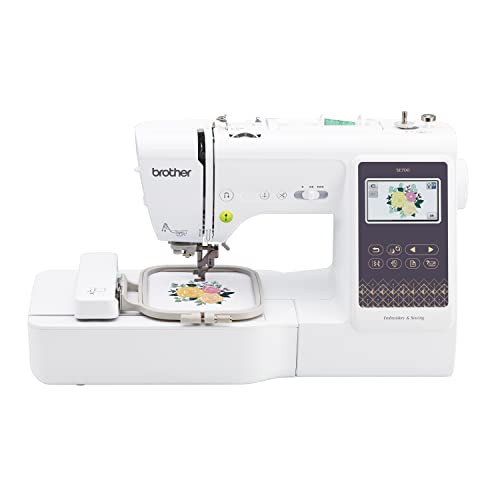
Brother SE700 Sewing and Embroidery Machine
$529.99Sewing and 4 x 4 inch embroidery with wireless design transfer.
Check price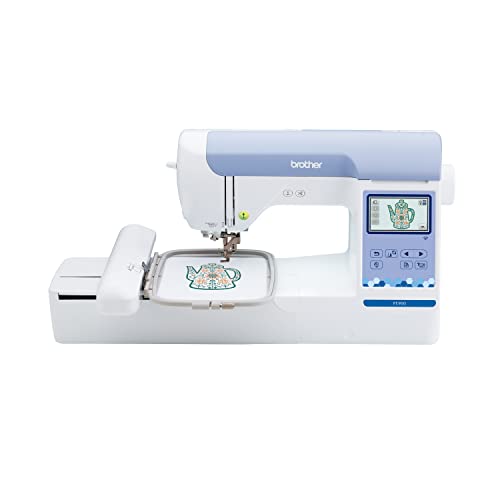
Brother PE900 Embroidery Machine
$1,179.99A 5 x 7 inch embroidery-only machine.
Check price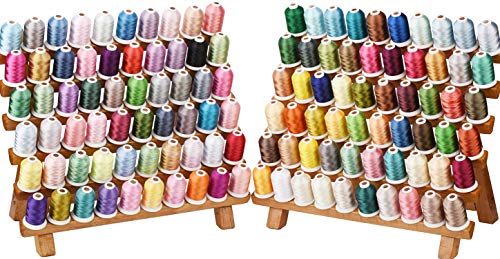
Simthread 120 Color Polyester Embroidery Thread Kit
$71.99A 120 color set of 40 wt embroidery thread.
Check pricePrices change often, so confirm on Amazon. As an Amazon Associate we earn from qualifying purchases.
Bigger designs: more field, more thread
Designs of 10,000 to 30,000 stitches suit larger fields and cone thread.

Brother Innov-is NQ1700E Embroidery Machine with BES Blue Software
$2,399.99A 6 x 10 inch field for larger designs.
Check price
Janome Memory Craft 500E Limited Edition Embroidery Machine
$2,099.00A 7.9 x 11 inch field from Janome.
Check price
Isacord Embroidery Thread Set, 35 Cones
$189.99Cones of Isacord 40 wt for high-stitch-count work.
Check pricePrices change often, so confirm on Amazon. As an Amazon Associate we earn from qualifying purchases.
Running big stitch counts for customers?
Above about 30,000 stitches, or many repeats, a multi-needle machine saves hours.
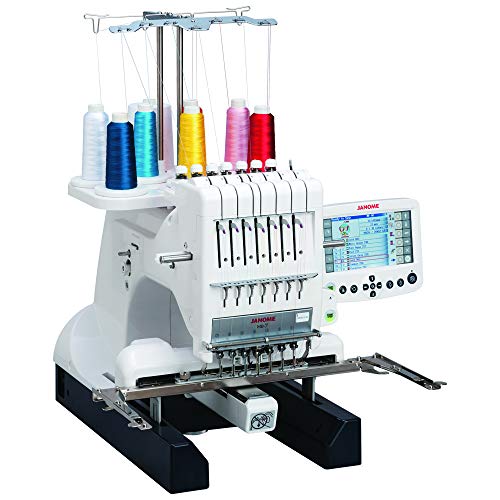
Janome MB-7 Seven-Needle Embroidery Machine
$5,999.00Seven needles and automatic color changes.
Check price
Ricoma EM-1010 10-Needle Embroidery Machine
$4,499.00A multi-needle machine aimed at home businesses.
Check price
HBI Cut Away Embroidery Stabilizer Roll, 12 in x 50 yd
$29.87Bulk cut-away stabilizer for production runs.
Check pricePrices change often, so confirm on Amazon. As an Amazon Associate we earn from qualifying purchases.
How is embroidery stitch count estimated?
Stitches = width x height x stitched share x density, rounded to the nearest hundred. Thread = stitches / 1,000 x yards per 1,000. Time = stitches / speed, plus about a minute per color change. For the default 4 x 4 inch design: 16 square inches x 60 percent x 1,500 = 14,400 stitches.
How many stitches are common design sizes?
| Design | Size (in) | Stitches | Top thread | Time at 650 SPM | Time at 1,000 SPM |
|---|---|---|---|---|---|
| Small monogram | 2 x 2 | 3,600 | 18 yd | 10 min | 8 min |
| Left chest logo | 3.5 x 3.5 | 11,000 | 55 yd | 21 min | 15 min |
| 4 x 4 design | 4 x 4 | 14,400 | 72 yd | 26 min | 18 min |
| 5 x 7 design | 5 x 7 | 31,500 | 157.5 yd | 52 min | 36 min |
| 6 x 10 design | 6 x 10 | 54,000 | 270 yd | 87 min | 58 min |
| Jacket back section | 8 x 12 | 86,400 | 432 yd | 137 min | 90 min |
These are rules of thumb
Density, thread use and pricing vary widely by digitizer, fabric and market. Your embroidery software's stitch count and your own thread records are always better than a formula.
Frequently asked questions
How do I calculate embroidery stitch count?
The exact stitch count is in your embroidery file, shown by the machine or software. To estimate before digitizing, multiply the design area by the share that is actually stitched and by a stitch density. Dense fills often run 1,500 or more stitches per square inch, while light fills, outlines and lettering use far fewer.
How much thread does machine embroidery use?
A commonly used rule of thumb is about 5 yards of top thread per 1,000 stitches, with the bobbin using roughly a third as much. Actual use varies with stitch length, density and design type, so treat the calculator as a planning estimate and adjust the setting if your records differ.
How long does an embroidery design take to stitch?
Divide the stitch count by the machine speed in stitches per minute, then add time for color changes and trims. Home single-needle machines are often run around 600 to 850 stitches per minute, while multi-needle machines run faster and change colors automatically, which is where business embroiderers save the most time.
How do embroidery businesses price by stitch count?
A widely cited starting point is a price per 1,000 stitches, often around $1, plus setup or digitizing fees, garment cost and a minimum charge. Local markets vary a lot. Use the handmade pricing calculator to add your materials, time and margin rather than relying on a single rule.
When is a multi-needle embroidery machine worth it?
When you stitch many designs with several colors, or large runs of the same logo. A multi-needle machine removes manual thread changes and runs longer unattended, so hourly output rises sharply. For occasional gifts and personal projects, a single-needle machine is far cheaper and entirely capable.
How we research: we compare manufacturer specifications, owner manuals, published standards and recurring themes in verified owner reviews. We do not test products in person, and this is researched guidance, not professional advice. Follow your machine manual and pattern, and take care with rotary cutters, hot irons and needles. As an Amazon Associate we earn from qualifying purchases.