Best Sewing Machine for Making Clothes (2026): 10 Picks for Garment Sewing
The best sewing machine for making clothes is the Juki HZL-G120 (about $820). Its box feed keeps lightweight and slippery garment fabric from shifting or puckering, and it sews eight buttonhole types. Under $300, the Brother CS5055 offers seven one-step buttonholes and a metal frame; the Juki DX-2000QVP SE is the premium choice.
Garment sewing asks different things of a machine than quilting does. You need even feeding on fabrics that stretch, slip or pucker, excellent buttonholes, a free arm for sleeves and cuffs, and precise needle positioning for topstitching and zippers. Throat space matters much less.
That is why our top pick is the Juki HZL-G120, built around Juki's box feed system. If you are just starting out, the Brother CS5055 covers garment basics for well under $200, and the tiers below explain exactly what more money buys a dressmaker.
Garment sewing machines compared
| Product | Price | Feed | Buttonholes | Free arm or garment feature | Buy |
|---|---|---|---|---|---|
 Brother CS5055 Brother CS5055 | $134.00 | Standard feed dogs | 7 one-step | Metal frame, LCD | Price |
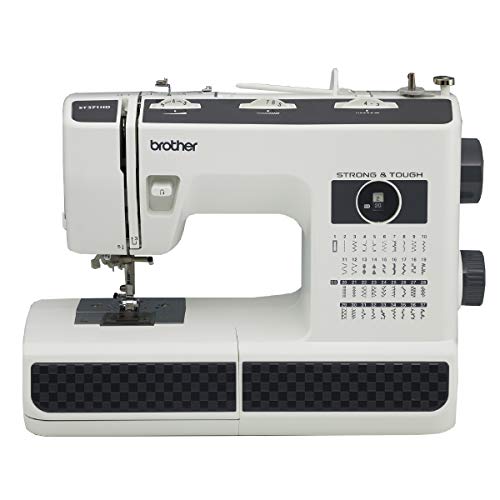 Brother ST371HD Brother ST371HD | $239.99 | Standard feed dogs | Auto-size | Free arm | Price |
 Bernette b33 Bernette b33 | $299.00 | Standard feed dogs | Not listed | 5 mm width, 2-step foot lift | Price |
 Janome JW8100 Janome JW8100 | $369.00 | 7-piece feed dog | 7 one-step | Needle up/down, start/stop | Price |
 Juki HZL-G120 Juki HZL-G120 | $819.00 | Box feed | 8 types | Drop feed switch | Price |
 Janome Sewist 780DC Janome Sewist 780DC | $899.00 | 7-piece feed dog | 3 one-step | Stitch elongation, thread cutter | Price |
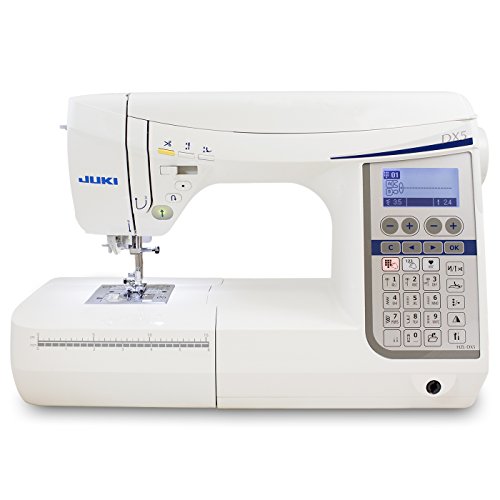 Juki HZL-DX5 Juki HZL-DX5 | $1,099.00 | Standard feed dogs | Automatic one-step | Slide-off bed free arm | Price |
 Janome Skyline S5 Janome Skyline S5 | $1,399.00 | Superior Plus 7-piece | Not listed | 91 needle positions | Price |
 Juki DX-2000QVP SE Juki DX-2000QVP SE | $1,759.00 | Box feed | Not listed | Auto tension, auto foot lift, pivot | Price |
Beginner
Beginner picks: first garments, under $300
Elastic-waist skirts, simple tops, pajamas and alterations. These machines sew buttonholes and hems well enough to learn garment construction without a big outlay.
Brother CS5055 Computerized Sewing Machine
$134.00Seven one-step auto-size buttonholes and 60 stitches on a metal frame, with an LCD that shows your stitch selection. For a first dressmaking machine under $150, that buttonhole range is unusually generous.
Best for: First garments on a small budget
Check price Brother ST371HD Strong and Tough Sewing Machine
$239.99A free arm for hemming sleeves and trouser legs, an auto-size buttonhole and 37 stitches, with a sturdier build that also handles jeans hems and alterations.
Best for: Alterations and mending
Check price Bernette b33 Mechanical Sewing Machine
$299.00Fifteen well-chosen dial stitches, a 5 mm stitch width and a two-step presser foot lift that helps fit bulky seams under the foot. A calm, simple machine from Bernina's bernette line.
Best for: Simple controls, dealer backup
Check pricePrices change often, so confirm on Amazon. As an Amazon Associate we earn from qualifying purchases.
Intermediate
Intermediate picks: dressmaking with better feeding, $370 to $900
This tier is where feed quality improves. On rayon, silk-like polyester, jersey and chiffon, better feeding is the difference between a professional-looking seam and a rippled one.
Juki HZL-G120 Computerized Sewing Machine
$819.00The box feed moves the feed dog in a box motion, staying in contact with the fabric longer so light and slippery layers travel together. Eight buttonhole types cover shirts, coats and knits.
Best for: Fine and slippery garment fabric
Check price Janome JW8100 Computerized Sewing Machine
$369.00A 7-piece feed dog, needle up/down for pivoting at corners and collars, seven one-step buttonholes and a start/stop button. The included even feed foot helps with plaids and velvet.
Best for: Matching plaids and stripes
Check price Janome Sewist 780DC Computerized Sewing Machine
$899.00An automatic thread cutter and stitch elongation, which stretches decorative and satin stitches without changing their density, plus 80 stitches and a 7-piece feed dog. The thread cutter saves real time on garments with dozens of short seams.
Best for: Sewists who make lots of small seams
Check pricePrices change often, so confirm on Amazon. As an Amazon Associate we earn from qualifying purchases.
Expert
Expert picks: tailoring and couture-level control, $1,100 to $1,760
Who should NOT buy this tier: new sewists and anyone whose main hobby is quilting. These machines reward sewists who already fit patterns, set sleeves and sew fine fabrics, and their best features are easy to overlook until you have fought a puckered silk seam on a lesser machine.
Juki DX-2000QVP SE Computerized Sewing Machine
$1,759.00Box feed plus automatic thread tension, automatic presser foot lift and a pivot function that raises the foot slightly when you stop with the needle down, so turning a collar point or lapel stays precise. It has 287 sewing patterns and 4 fonts.
Best for: Tailoring and fine fabrics
Check price Juki HZL-DX5 Computerized Sewing Machine
$1,099.00A slide-off bed turns it into a free-arm machine for cuffs, collars and children's sleeves, with an automatic needle threader, automatic one-step buttonholes and adjustable foot pressure for knits.
Best for: Sleeves, cuffs and knits
Check price Janome Skyline S5 Computerized Sewing Machine
$1,399.00Ninety-one needle positions and a 9 mm maximum stitch width give precise control for edge stitching, zippers and topstitching, with an automatic thread cutter and the Superior Plus feed system.
Best for: Precise topstitching and zippers
Check pricePrices change often, so confirm on Amazon. As an Amazon Associate we earn from qualifying purchases.
What is the best sewing machine for making clothes?
The best garment machine is the one that feeds your fabrics evenly and sews a buttonhole you would be proud to wear. Stitch count, throat space and embroidery features are secondary. Here is how garment features rank.
| Feature | Why it matters for clothes | Where to find it |
|---|---|---|
| Even or box feed | Stops layers of lightweight or slippery fabric from shifting and puckering | Juki HZL-G120, Juki DX-2000QVP SE |
| One-step buttonholes | Consistent buttonholes sized to the button, in several styles | Brother CS5055, Janome JW8100 |
| Free arm | Sew sleeves, cuffs and trouser hems in the round | Brother ST371HD, Juki HZL-DX5 |
| Adjustable foot pressure | Lighter pressure keeps knits from stretching out | Juki HZL-DX5 |
| Needle positions | Fine control for edge stitching and zippers | Janome Skyline S5 has 91 |
| Needle up/down | Pivot at collar points and corners without losing your place | Janome JW8100 |
| Stretch stitches | Seams in knits that stretch without popping | Nearly all picks here |
Our intermediate garment sewing setup shows how a machine, serger, iron and cutting tools fit together into a buy-once dressmaking kit.
What is box feed on a Juki sewing machine?
On a standard machine, the feed dogs move in an oval: up, back, down and forward. Juki's box feed moves them in a rectangle, so the teeth rise, stay flat against the fabric for longer as they push it back, and then drop. More contact time means less slipping between layers and less of the "puckered seam" effect on thin fabrics like lawn, voile and rayon challis.
It is not a walking foot. A walking foot grips the top layer from above; box feed improves grip from below. Garment sewists often find box feed makes a walking foot unnecessary for most clothing, though they still reach for one on velvet or matched plaids. Juki uses box feed on the Juki HZL-G120 and the Juki DX-2000QVP SE.
Do you need a serger to make clothes?
No, but you will want one if you sew knits often. A sewing machine can finish seams with a zigzag or overcast stitch, French seams or Hong Kong binding, and it can sew knits with a stretch stitch. A serger trims, sews and overlocks a stretchy seam in one pass, which is faster and looks like store-bought clothing.
A good order: sewing machine first, serger second, coverstitch third if you make many knit tops. Read serger vs sewing machine to see what each does, and see our best sergers and best coverstitch machines when you are ready.
What is the best sewing machine for quilting and making clothes?
If you split your time, prioritize the one you do most. For garment-first sewists who quilt small projects, the Janome Skyline S5 is a strong crossover: precise needle positioning for clothing, a roomy Skyline body and a 9 mm stitch width for decorative work. The Janome JW8100 is the budget crossover, with an even feed foot for quilt layers.
Quilt-first sewists should look at throat space and straight-stitch quality first; start with the best sewing machines for quilting.
How much fabric do you need to make clothes?
Yardage depends on the pattern, your size and fabric width, but these typical ranges help when you are shopping without a pattern envelope in hand. Always buy extra for directional prints, plaids and preshrinking.
| Garment | 44 to 45 in fabric | 58 to 60 in fabric |
|---|---|---|
| T-shirt or knit top | 2 yd | 1.5 yd |
| A-line skirt | 2 yd | 1.5 yd |
| Elastic-waist pajama pants | 2.5 to 3 yd | 2 yd |
| Button-up shirt | 2.75 to 3 yd | 2 to 2.5 yd |
| Knee-length dress | 3 to 3.5 yd | 2.25 to 2.75 yd |
| Unlined jacket | 3 yd | 2.25 yd |
For a figure based on your measurements, use the garment fabric calculator. When a pattern uses a different seam allowance than you prefer, the seam allowance calculator and seam allowance chart keep your fit accurate.
How we chose
We did not test these machines in person. Picks are based on manufacturer specifications and owner manuals, with extra weight on garment-specific features: feed system, buttonhole options, free arm access, foot pressure and needle positioning. We also looked at recurring themes in verified owner reviews from dressmakers about puckering, buttonhole consistency and knit performance, and at dealer support for higher-priced models.
Buying tips
- Sew a buttonhole on a scrap of your usual fabric before committing, at a shop or class if you can.
- Buy a stretch needle and a ballpoint needle before your first knit project.
- Choose a machine with a free arm if you hem sleeves or children's clothing.
- Silk pins, a good steam iron and a pressing ham improve garments as much as the machine does.
- Plan on adding a serger within a year if you sew knits regularly.
Frequently asked questions
What sewing machine is best for making clothes at home?
The Juki HZL-G120 is the best choice for most home dressmakers because its box feed handles lightweight, slippery and layered garment fabric without puckering, and it sews eight buttonhole types. On a budget, the Brother CS5055 gives seven one-step buttonholes and a metal frame for under $150. Advanced sewists who work with silk and tailoring should consider the Juki DX-2000QVP SE.
Is a computerized sewing machine better for sewing clothes?
For garments, computerized machines have two real advantages: one-step buttonholes in several styles and precise needle positioning for topstitching and zippers. Mechanical machines sew clothes perfectly well, but four-step buttonholes take more practice. If you plan to sew button-front shirts, dresses and jackets, a computerized model with a good buttonhole selection is worth it.
What stitches do you need for sewing clothes?
You need a straight stitch, a zigzag, a stretch or lightning stitch for knits, an overcast stitch for finishing raw edges, a blind hem stitch for invisible hems and at least one buttonhole. A triple straight stitch is useful for stress seams like crotch seams. Almost every modern machine includes these, so compare buttonhole quality and feeding instead of total stitch count.
Can you sew stretchy fabric with a regular sewing machine?
Yes. Use a ballpoint or stretch needle, a stretch or narrow zigzag stitch, and lighter presser foot pressure if your machine allows it. Avoid pulling the fabric as it feeds. A walking foot or a box feed machine like the Juki HZL-G120 helps prevent wavy seams. For hems on knit tops, a twin needle gives a stretchy finish that resembles a coverstitch.
Do I need a free arm sewing machine for clothes?
A free arm is very helpful for garments, because it lets you slide sleeves, cuffs, trouser legs and children's clothing around the machine bed to sew in the round. Most home machines have one under the removable accessory tray. Without it, you would have to open side seams to hem sleeves. The Juki HZL-DX5 offers a slide-off bed for the same purpose.
What is the difference between box feed and a walking foot?
Box feed changes how the feed dogs move under the fabric, keeping them flat against it for longer so the bottom layer is gripped more evenly. A walking foot is a presser foot attachment with its own teeth that move the top layer in step with the feed dogs. Box feed is always on and suits garments; a walking foot is added for quilts, velvet and plaids.
How we research: we compare manufacturer specifications, owner manuals, published standards and recurring themes in verified owner reviews. We do not test products in person, and this is researched guidance, not professional advice. Follow your machine manual and pattern, and take care with rotary cutters, hot irons and needles. As an Amazon Associate we earn from qualifying purchases.