Quilt Backing Calculator: How Much Fabric for Pieced or Wide Backs
Add 4 inches to every side of the quilt top, then divide by the fabric's usable width. A 90 x 95 inch queen quilt needs about 8 1/4 yards of 42 inch quilting cotton pieced with 2 seams, or 2 3/4 yards of 108 inch wide backing with no seams.
Enter your finished quilt top size and how much extra your quilter wants on each side. The calculator compares vertical seams, horizontal seams and one-piece wide backing, and tells you the cheapest layout in plain yards.
Your quilt top
Your results
Standard cotton, best layout
3 panels, horizontal seams
108 inch wide backing
| Backing needed | 98 x 103 in |
|---|---|
| Vertical seams | 3 panels, 8 5/8 yd |
| Horizontal seams | 3 panels, 8 1/4 yd |
| Cut each panel | 98 in long |
Machines that handle this quilt comfortably
Baby, crib and wall quilts fit through almost any machine. A good computerized machine with a walking foot and wide table is plenty.
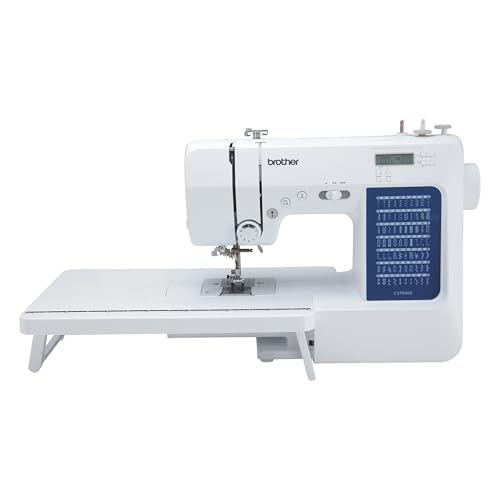
Brother CS7000X Computerized Sewing and Quilting Machine
$279.99Wide extension table, quilt guide and walking-foot friendly, at a beginner price.
Check price
Janome 3160QDC-G Sewing and Quilting Machine
$749.00Janome build quality in a compact computerized machine made with quilters in mind.
Check price
Juki TL-2000Qi Long-Arm Sewing and Quilting Machine
$999.00A straight-stitch workhorse that grows with you into bigger quilts.
Check pricePrices change often, so confirm on Amazon. As an Amazon Associate we earn from qualifying purchases.
Machines with room for throws and lap quilts
At this width a larger harp makes free-motion and straight-line quilting far less of a wrestle.
Janome 3160QDC-G Sewing and Quilting Machine
$749.00Compact and quilter-focused, fine for throws with patient rolling.
Check price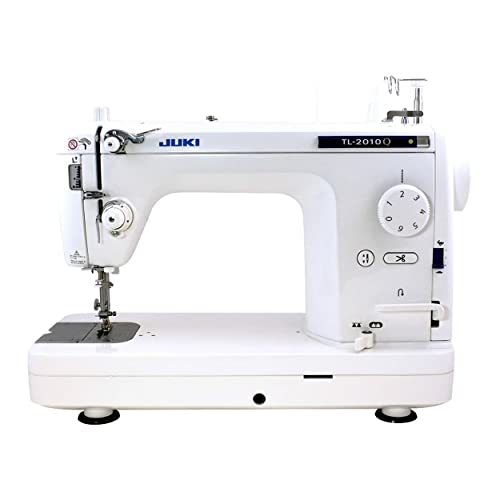
Juki TL-2010Q High-Speed Sewing and Quilting Machine
$1,199.00High-speed straight stitch with a large work area and knee lift.
Check price
Janome HD9 Professional High-Speed Straight Stitch Machine
$1,599.00A professional straight-stitch machine built for long quilting sessions.
Check pricePrices change often, so confirm on Amazon. As an Amazon Associate we earn from qualifying purchases.
Machines built for twin to queen quilts
Twin and queen tops are where an extended arm pays for itself in comfort and time.
Juki TL-2010Q High-Speed Sewing and Quilting Machine
$1,199.00The most popular step up for quilters moving past a standard machine.
Check price
Janome 1600P-QC Straight Stitch Sewing and Quilting Machine
$1,599.00Straight-stitch speed and a heavy frame for big quilts.
Check price
Juki TL-15 Mid-Arm Quilting and Piecing Machine
$1,399.00A midarm with a much bigger throat for queen-size quilting at a table.
Check pricePrices change often, so confirm on Amazon. As an Amazon Associate we earn from qualifying purchases.
Longarms and frames for king-size quilts
King quilts are heavy. A midarm, sit-down longarm or frame system lets the machine do the work instead of your shoulders.

Grace Little Rebel Sewing and Quilting Machine
$2,799.00A midarm with built-in stitch regulation that can sit on a table or a frame.
Check price
Handi Quilter Amara ST 20 Stationary Longarm with Lift Table
$9,495.00A 20 inch sit-down longarm with a lift table: room for king quilts without a frame.
Check price
Grace Qnique 16X Longarm with Q-Zone Queen Frame
$4,849.00A complete longarm and frame system for quilting large tops edge to edge.
Check pricePrices change often, so confirm on Amazon. As an Amazon Associate we earn from qualifying purchases.
How do you calculate quilt backing yardage?
Backing is calculated in four steps, and the only numbers that matter are the quilt size, the extra you add, and the usable width of your fabric.
- Add the overage. Add the extra to both sides of each dimension. A 90 x 95 inch queen top with 4 inches per side needs a 98 x 103 inch backing.
- Count the panels. Divide the backing width by the usable fabric width and round up. 98 / 40 rounds up to 3 panels for vertical seams.
- Multiply by the panel length. 3 panels of 103 inches is 309 inches, or 8 5/8 yards once rounded up. Then try the other direction: 103 / 40 rounds up to 3 panels of 98 inches, or 8 1/4 yards. The smaller figure, horizontal seams, wins.
- Round up to the nearest 1/8 yard, and add a little if your fabric has a directional print or will be prewashed.
Quilt backing yardage chart by quilt size
Every row below uses the same math as the calculator, with 4 inches of overage on each side and 40 inches of usable width for standard cotton. Sizes follow the coverlet-style convention used in our quilt size chart.
| Quilt | Top size (in) | Backing needed | 42 in cotton | 108 in wide |
|---|---|---|---|---|
| Baby | 40 x 40 | 48 x 48 | 2 3/4 yd (2 panels) | 1 3/8 yd |
| Crib | 36 x 52 | 44 x 60 | 2 1/2 yd (2 panels) | 1 1/4 yd |
| Lap | 45 x 60 | 53 x 68 | 3 yd (2 panels) | 1 1/2 yd |
| Throw | 50 x 65 | 58 x 73 | 3 1/4 yd (2 panels) | 1 5/8 yd |
| Twin | 68 x 90 | 76 x 98 | 5 1/2 yd (2 panels) | 2 1/8 yd |
| Twin XL | 68 x 95 | 76 x 103 | 5 3/4 yd (2 panels) | 2 1/8 yd |
| Full / Double | 83 x 90 | 91 x 98 | 7 5/8 yd (3 panels) | 2 5/8 yd |
| Queen | 90 x 95 | 98 x 103 | 8 1/4 yd (3 panels) | 2 3/4 yd |
| King | 106 x 95 | 114 x 103 | 8 5/8 yd (3 panels) | 3 1/4 yd |
| California King | 102 x 99 | 110 x 107 | 9 yd (3 panels) | 6 1/8 yd |
When is wide backing cheaper than piecing?
Wide backing is sold by the yard like regular cotton, but each yard covers about two and a half times the area. Once a quilt needs three panels of standard cotton, wide backing is usually the better buy, and it removes the seams that can show through light quilting or catch on a longarm frame. For small quilts under about 36 inches wide, a single length of standard cotton is still the cheapest option.
Ask your longarmer before you cut
Longarm services set their own backing and batting overage, often 4 to 6 inches per side. Some also want the backing squared and the selvages removed. A two-minute email saves a return trip.
How much does it cost to have a quilt longarmed?
Longarm services usually charge by the square inch of the quilt top, and the backing you supply affects the price only if the quilter has to fix it. If you finish several big quilts a year, compare that cost with owning a machine using our longarm cost calculator, and see our guide to the best sit-down longarm quilting machines.
Frequently asked questions
How much bigger should quilt backing be than the top?
For quilting on a home machine, 2 to 4 inches larger on every side is enough to absorb shifting. Longarm quilters usually ask for 4 to 6 inches per side, and some ask for 8, because the frame clamps and rollers need something to hold. Always ask your longarmer first, since backing that is too small is the most common reason a quilt gets turned away.
Is 108 inch wide backing worth it?
For anything twin size or larger it usually is. Wide backing removes every seam from the back, which longarmers prefer, and it often costs less per square inch than piecing standard 42 inch cotton. For a queen quilt, 2 3/4 yards of wide backing replaces about 8 1/4 yards of standard fabric and saves the time spent sewing and pressing long seams.
Should backing seams run vertically or horizontally?
Choose whichever layout uses less fabric, which this calculator shows automatically. Many longarmers prefer horizontal seams because they roll evenly across the frame, while domestic quilters often prefer a vertical center seam. Press seams open to reduce bulk, and trim selvages before sewing because they shrink differently from the rest of the fabric.
What is the usable width of quilting cotton?
Quilting cotton is sold as 42 to 45 inches wide, but after you trim the selvages and allow for shrinkage the usable width is usually 40 to 42 inches. Planning with 40 inches is the safe choice, especially for prewashed fabric. If you know your fabric measures 43 inches selvage to selvage after washing, you can change the usable width in the calculator.
How do I back a quilt that is wider than the backing fabric?
Cut two or more panels the full needed length, trim the selvages, and sew them together along the long edges with a half inch seam pressed open. For a quilt that is slightly too wide for two panels, add a narrow strip down the middle or offset the seam. For king quilts, wide backing avoids three-panel backs entirely.
How we research: we compare manufacturer specifications, owner manuals, published standards and recurring themes in verified owner reviews. We do not test products in person, and this is researched guidance, not professional advice. Follow your machine manual and pattern, and take care with rotary cutters, hot irons and needles. As an Amazon Associate we earn from qualifying purchases.