How Much Fabric for a Throw Quilt Backing?
A 50 x 65 inch throw quilt needs 3 1/4 yards of 42 inch quilting cotton for the backing (2 panels, horizontal seams), or 1 5/8 yards of 108 inch wide backing, allowing 4 inches extra on every side. If your longarmer asks for 6 inches per side, plan 3 1/2 or 1 3/4 yards.
The backing is the bottom layer of the quilt sandwich, a single piece of fabric cut 4 to 6 inches larger than the quilt top on every side so nothing runs short while the quilt is basted or loaded on a frame. This page works out backing for a throw quilt top of 50 x 65 inches, the typical size in our quilt size chart. If your top is a different size, the quilt backing calculator runs the same math for any measurement.
How much throw backing do you need for each overage?
Overage is the extra backing added to every side. Home quilters often use 2 to 4 inches, while longarm quilters typically want 4 to 6 inches so the frame can clamp the fabric. The table below prices each option: at the usual 4 inches per side this quilt needs a 58 x 73 inch back, which is 3 1/4 yards of 42 inch cotton.
| Extra per side | Backing size (in) | 42 in, vertical | 42 in, horizontal | 108 in wide |
|---|---|---|---|---|
| 2 in | 54 x 69 | 3 7/8 yd (2) | 3 yd (2) | 1 1/2 yd |
| 4 in | 58 x 73 | 4 1/8 yd (2) | 3 1/4 yd (2) | 1 5/8 yd |
| 6 in | 62 x 77 | 4 3/8 yd (2) | 3 1/2 yd (2) | 1 3/4 yd |
| 8 in | 66 x 81 | 4 1/2 yd (2) | 5 1/2 yd (3) | 1 7/8 yd |
How do you piece a backing for a throw quilt?
With 4 inches per side, the cheapest layout for standard cotton is horizontal seams. Here is the cutting plan.
- Buy 3 1/4 yards of 42 to 45 inch quilting cotton, in one continuous length if possible.
- Cut 2 panels, each 58 inches long.
- Trim the selvages from both long edges of every panel.
- Sew the panels together along the long edges with a 1/2 inch seam and press the seams open. The finished piece needs to be at least 73 inches across, so the last panel only needs to be about 33 inches wide and you can trim the extra.
- Square the backing to about 58 x 73 inches and mark the center of each edge.
Seams and longarms
Many longarm quilters prefer backing seams that run horizontally, parallel to the frame rollers, because the fabric rolls more evenly. If yardage is close, ask which way your quilter wants the seams.
Cut the batting to the same size as the backing, about 58 x 73 inches, so both layers overhang the top evenly: the batting size calculator matches that to a packaged size. For the fabric in the top itself, work block by block in the quilt top yardage calculator, and see how to back a quilt for basting the three layers together and squaring the back afterwards.
Does fabric width change the throw backing yardage?
Quilting cotton is sold as 42 to 45 inches wide, but the usable width after trimming selvages, and after prewashing, can be 38 to 44 inches, as the fabric width chart sets out. For some sizes that difference adds a whole panel: below, this quilt takes 3 1/4 yards at 38 inches of usable width and 3 1/4 yards at 44 inches.
| Usable width | Best layout | Yards |
|---|---|---|
| 38 in | 2 panels, horizontal seams | 3 1/4 yd |
| 40 in | 2 panels, horizontal seams | 3 1/4 yd |
| 42 in | 2 panels, horizontal seams | 3 1/4 yd |
| 44 in | 2 panels, horizontal seams | 3 1/4 yd |
Machines with room for throws and lap quilts
At this width a larger harp makes free-motion and straight-line quilting far less of a wrestle.

Janome 3160QDC-G Sewing and Quilting Machine
Under $1,000Compact and quilter-focused, fine for throws with patient rolling.
Check price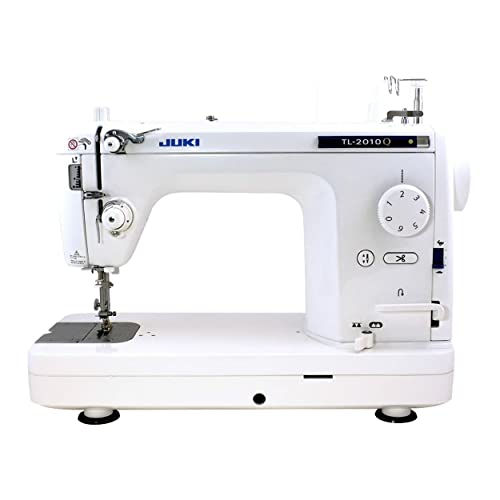
Juki TL-2010Q High-Speed Sewing and Quilting Machine
Under $2,500High-speed straight stitch with a large work area and knee lift.
Check price
Janome HD9 Professional High-Speed Straight Stitch Machine
Under $2,500A professional straight-stitch machine built for long quilting sessions.
Check pricePrices change often, so confirm on Amazon. As an Amazon Associate we earn from qualifying purchases.
Is it cheaper to send a throw quilt to a longarmer or quilt it yourself?
Longarm services usually price by the square inch of the top. A throw top is 3,250 square inches, so even a modest edge-to-edge rate adds up across several quilts a year. Run your own numbers in the longarm cost calculator before deciding whether a sit-down longarm or frame belongs in your sewing room.
When the quilting is done, trim the backing and batting flush with the top and finish the edge. A throw quilt takes 7 strips of 2 1/2 inch binding, 1/2 yards of fabric, and the throw binding page has the cutting plan.
Frequently asked questions
How many yards of fabric do I need for a throw quilt back?
A throw quilt of 50 x 65 inches needs a 58 x 73 inch backing with 4 inches extra per side. In standard 42 inch cotton with about 40 inches usable, that is 3 1/4 yards cut into 2 panels. In 108 inch wide backing it is 1 5/8 yards. Buy an extra 1/4 yard if you plan to prewash or match a large print.
Should I use wide backing for a throw quilt?
It is optional. A throw back pieces from 2 panels of 42 inch cotton with 1 seam, so standard fabric works well and lets you match the quilt top. Wide backing (1 5/8 yards) only saves the seam and the pressing time.
How much extra backing does a longarm quilter need for a throw quilt?
Most longarm services ask for 4 to 6 inches extra on every side, and a few ask for 8. At 6 inches per side, the throw backing grows to 62 x 77 inches, which is 3 1/2 yards of 42 inch cotton or 1 3/4 yards of wide backing. Ask before you cut, because a short backing is the most common reason a quilt is sent back.
How do I cut and sew a pieced throw quilt backing?
Cut 2 panels of 42 inch cotton, each 58 inches long. Trim off the selvages, since they shrink differently. Sew the panels along their long edges with a 1/2 inch seam, press the seams open, then trim the pieced back to about 58 x 73 inches. Mark the center of each side to help line it up with the top.
Can I use a bedsheet as quilt backing?
You can, and it saves all the piecing, but a high thread count sheet is densely woven and hard to needle, which makes hand quilting slow and can leave skipped stitches on a longarm. Sheets also shrink differently from quilting cotton, which shows as puckering after the first wash. For a seamless back without that risk, 108 inch wide quilting backing does the same job in 1 5/8 yards for this size.
Should the batting be the same size as the backing?
Cut the batting to match the backing, about 58 x 73 inches here, so both layers extend past the quilt top by the same 4 inches. That margin gives basting spray or pins something to grip and leaves room for the layers to shift a little as they are quilted. Trim both flush with the top only once the quilting is finished and you are ready to bind.
Does washing fabric change how much backing I need?
Yes. Prewashed quilting cotton can lose 1 to 2 inches of width and several inches of length per yard, and trimmed selvages take another inch. If you prewash, plan with 38 to 40 inches of usable width. The usable width table on this page shows how the yardage changes, and a small change can add a whole panel on bigger quilts.
How we research: we compare manufacturer specifications, owner manuals, published standards and recurring themes in verified owner reviews. We do not test products in person, and this is researched guidance, not professional advice. Follow your machine manual and pattern, and take care with rotary cutters, hot irons and needles. As an Amazon Associate we earn from qualifying purchases.