Singer vs Brother Sewing Machines: Which Brand Is Better in 2026?
For most beginners Brother is the easier buy: the Brother ST371HD costs about $240 with 37 stitches, an auto-size buttonhole and a free arm. Choose Singer if you want a simple, fast machine for thicker fabric at a lower price: the Singer Heavy Duty 4423 runs up to 1,100 SPM for about $182.
The verdict
Brother is the better choice for most beginners, and Singer is the better choice if you want a straightforward fast machine for denim and canvas at the lowest price. Both brands sell mostly budget and mid-range machines on Amazon, so the gap between them is smaller than the internet arguments suggest.
The honest detail that costs a sale: "Heavy Duty" on a Singer and "Strong and Tough" on a Brother are marketing names for household machines with metal interiors. They sew more layers than a lightweight model, but neither is an industrial machine, and neither will happily sew thick leather. Match the machine to the fabric you actually sew.
Singer vs Brother: side by side
| Feature | Singer | Brother |
|---|---|---|
| Representative model | Singer 4423 | Brother ST371HD |
| Price | About $182 | About $240 |
| Built-in stitches | 23 (97 stitch applications) | 37 |
| Max speed | 1,100 SPM | Not published in the specs we verified |
| Buttonhole | Built in | Auto-size |
| Frame | Metal interior, stainless steel bedplate | Not detailed in the specs we verified |
| Feet included | Basic set | 6 |
| Free arm | Yes | Yes |
| Parent company | SVP Worldwide (also Pfaff, Husqvarna Viking) | Brother Industries, Japan |
Is Singer or Brother better for beginners?
Brother, by a small margin. The Brother ST371HD adds an auto-size buttonhole (you put the button in the foot and the machine sizes the hole), a drop-in top bobbin, an automatic needle threader and 37 stitches. Owners frequently mention how easy it is to thread, which matters more to a beginner than any speed figure.
The Singer 4423 is simpler and faster. It is rated at 1,100 stitches per minute with a metal interior frame and stainless steel bedplate, which helps fabric glide. Owners often praise its power on denim hems and complain about tension adjustments and occasional thread bunching while learning. That learning curve is real but short, and plenty of beginners start on one.
| Budget | Singer | Brother | Better pick |
|---|---|---|---|
| Under $200 | Singer 4423 (23 stitches, 1,100 SPM) | Brother XM2701 (27 stitches) | Singer for thicker fabric, Brother for light sewing |
| $200 to $300 | Singer 4452 (with extension table) | Brother ST371HD or Brother CS7000X | Brother |
| $350 to $550 | Singer 6800C or Singer Quantum Stylist 9960 | Brother HC1850 (185 stitches) | Singer, for stitch variety |
| $800 and up | Few Amazon options | Brother PS500 (8.3 in to arm) | Brother |
| Embroidery combo | Singer SE9180 (7 in screen) | Brother SE700 (4 x 4 in, wireless) | Brother, larger community |
Are Singer Heavy Duty machines really heavy duty?
They are heavier duty than a lightweight plastic-frame machine, and that is all. The Heavy Duty series has a metal interior frame, a stronger motor than Singer's basic models and a fast top speed. With a size 100/16 jeans needle, a longer stitch length and a slow start over seams, a Singer 4423 hems jeans and sews canvas tote bags well.
Where owners run into trouble is stacked seams, like belt loops over a flat-felled seam, and thick leather. For those jobs look at a walking-foot industrial such as the Juki DU-1181, or read best sewing machines for leather. For denim specifically, see best sewing machines for denim.
Which lasts longer, Singer or Brother?
No trustworthy public data tracks lifespan by brand, so treat confident claims with suspicion. Many older Singers lasted generations, but those were different machines from a different era, and nostalgia about vintage models does not transfer to a new $182 machine.
What owner reviews of both brands do show: problems most often trace back to the wrong needle, lint in the bobbin area, or pushing a household machine through too many layers. A fresh needle for every project and a quick clean are the cheapest reliability upgrade. Our sewing machine maintenance guide covers the routine.
Choose Singer if
- You want the lowest price for a fast machine that handles denim hems.
- You prefer a simple dial-and-go machine without menus.
- You want the Singer Quantum Stylist 9960 for its 600 stitches.
- You are fine spending a little time learning tension.
Choose Brother if
- You are a beginner and want the easiest threading and buttonholes.
- You want more feet and features included at a similar price.
- You may move to a computerized or embroidery machine later.
- You want a larger online community for help and tutorials.
Our picks from each brand
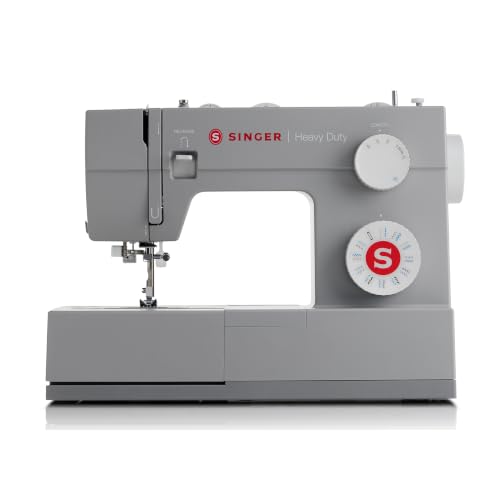
Singer Heavy Duty 4423 Sewing Machine
$182.41About $182 for 1,100 SPM, a metal interior frame and 97 stitch applications.
Check price
Singer Quantum Stylist 9960 Computerized Sewing Machine
$535.99Singer's feature pick: 600 stitches, 13 one-step buttonholes and 13 presser feet.
Check price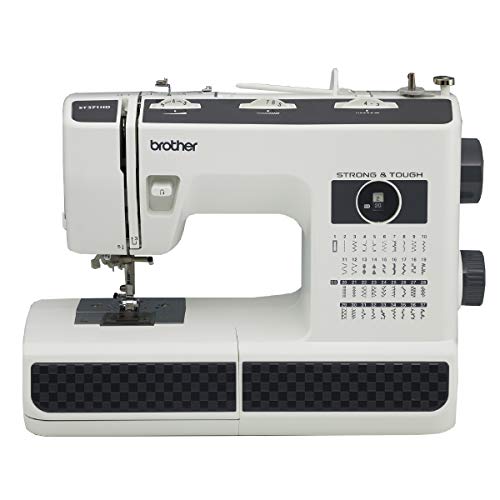
Brother ST371HD Strong and Tough Sewing Machine
$239.99The easier heavy-duty starter with an auto-size buttonhole and 37 stitches.
Check price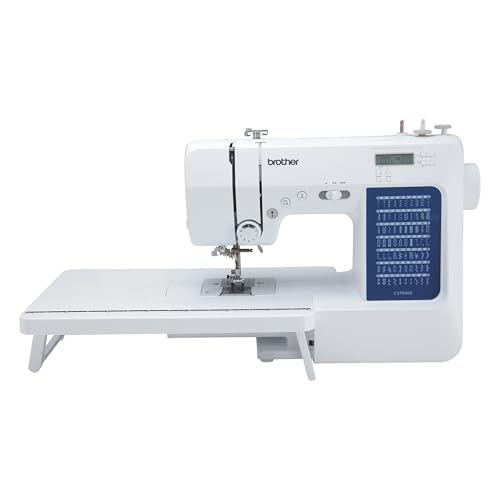
Brother CS7000X Computerized Sewing and Quilting Machine
$279.99A computerized alternative with 10 feet, wide table and hard case near $280.
Check price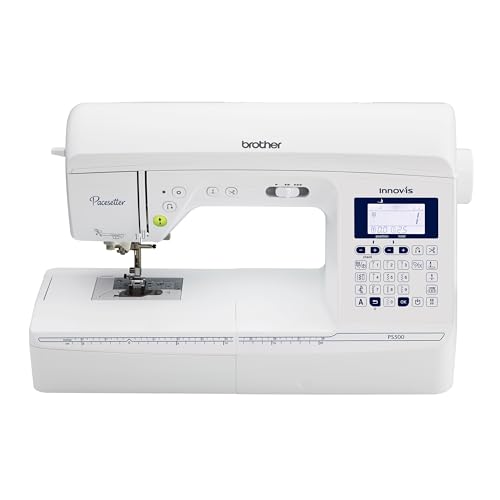
Brother PS500 Pacesetter Computerized Sewing Machine
$859.99The Brother step-up with 100 stitches and 8.3 in from needle to arm for bigger projects.
Check pricePrices change often, so confirm on Amazon. As an Amazon Associate we earn from qualifying purchases.
This comparison is drawn from published specifications, owner manuals and the consensus of verified owner reviews, not side-by-side testing.
Frequently asked questions
Is Singer a good brand anymore?
Singer still makes capable budget and mid-range machines, but it is not the same company that built the all-metal machines people inherited. Today it is part of SVP Worldwide alongside Pfaff and Husqvarna Viking. Models like the Singer 4423 and Quantum Stylist 9960 earn solid owner reviews for their price. Judge the specific model, not the brand name.
What is the difference between the Singer 4423 and Brother ST371HD?
The Singer 4423 costs less and is rated at 1,100 stitches per minute with 23 stitches and a stainless steel bedplate. The Brother ST371HD costs about $60 more and adds 37 stitches, an auto-size buttonhole and 6 feet. Pick the Singer for speed on thicker fabric at the lowest price, and the Brother for easier everyday sewing.
Can a Singer Heavy Duty sew leather?
It can sew thin garment leather and faux leather slowly, with a leather needle, a longer stitch and a Teflon or roller foot. It is not built for thick belt or saddle leather, and forcing it can bend needles or strain the motor. For regular leather work, a walking-foot industrial machine is the right tool. Keep fingers clear of the needle when easing thick layers through.
Why do some sewists dislike Singer machines?
The recurring complaints in owner reviews are tension that needs fiddling, thread nesting under the fabric while learning, and inconsistent quality control on some units. Many of those problems trace back to threading with the presser foot down or using an old needle. Buying from a seller with an easy return window protects you if you get a unit that genuinely misbehaves.
Should I buy a Singer or Brother embroidery machine?
For most people, Brother. The Brother SE700 offers wireless design transfer and a large user community for about $530, and Brother offers a clear upgrade path to 5 x 7 in fields. The Singer SE9180 has a large 7 in screen and 250 sewing stitches, which appeals if you want lots of decorative sewing too. Compare hoop sizes before deciding.
How we research: we compare manufacturer specifications, owner manuals, published standards and recurring themes in verified owner reviews. We do not test products in person, and this is researched guidance, not professional advice. Follow your machine manual and pattern, and take care with rotary cutters, hot irons and needles. As an Amazon Associate we earn from qualifying purchases.