Cross Stitch Fabric Size Calculator: Finished Size and Fabric to Cut
Divide the stitch count by the fabric count to get inches, then add 3 inches of margin on every side. A 120 x 160 stitch design on 14 count Aida finishes at 8.6 x 11.4 inches, so cut fabric 15 x 18 inches. On evenweave stitched over two, divide by half the count.
Enter your pattern's stitch count (listed on the chart or pattern cover) and choose your fabric. The calculator gives the finished size, the fabric to cut and a hoop or frame suggestion.
Your pattern and fabric
Your results
Finished design
21.8 x 29 cm
| Fabric to cut | 15 x 18 in |
|---|---|
| Stitches per inch | 14 |
| Suggested holder | 14 in hoop |
| Floss strands | 2 |
Fabric, floss and a frame for this design
At this count most stitchers see the holes clearly in good light.

DMC Charles Craft Silver Label Aida, 14 Count, 30 x 36 Inch
$16.99A large piece of 14 count Aida, enough to cut this design with margins.
Check price
DMC Embroidery Floss Assortment, 100 Colors
$62.95One hundred floss colors so you are not buying skeins one at a time.
Check price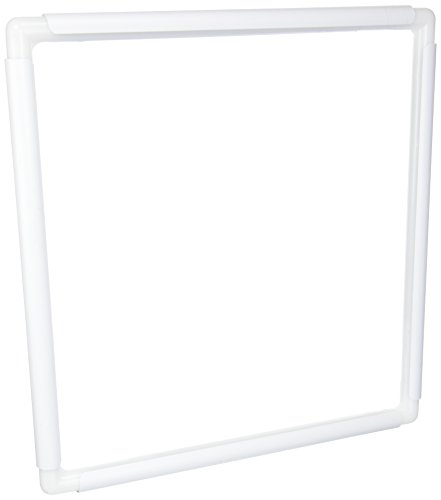
Q-Snap Frame 17 x 17 Inch
$27.12Holds fabric taut without hoop marks for medium designs.
Check pricePrices change often, so confirm on Amazon. As an Amazon Associate we earn from qualifying purchases.
Stitching on a fine count? Light and magnification help
At 16 stitches per inch and finer, a magnifier lamp reduces eye strain on long sessions.

Daylight Company Magnificent Pro Magnifying Lamp
$197.99A daylight-balanced floor lamp with a large magnifier lens.
Check price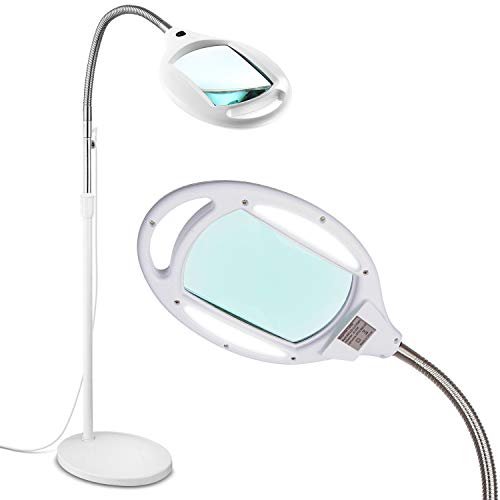
Brightech LightView Pro LED Magnifying Floor Lamp
$114.99An affordable magnifier floor lamp with a flexible neck.
Check price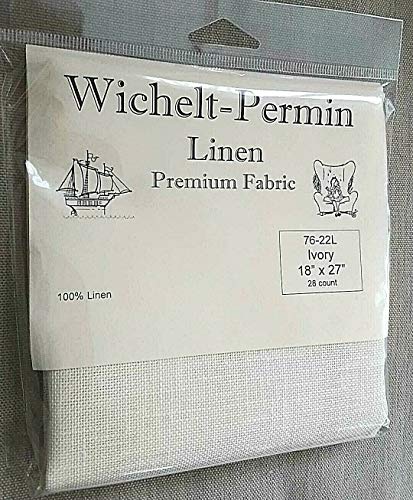
Wichelt Permin Premium Linen, 28 Count, Ivory
$25.5528 count linen for heirloom pieces stitched over two.
Check pricePrices change often, so confirm on Amazon. As an Amazon Associate we earn from qualifying purchases.
A big design deserves a floor stand
Large pieces are much easier on a scroll frame held by a stand, leaving both hands free.
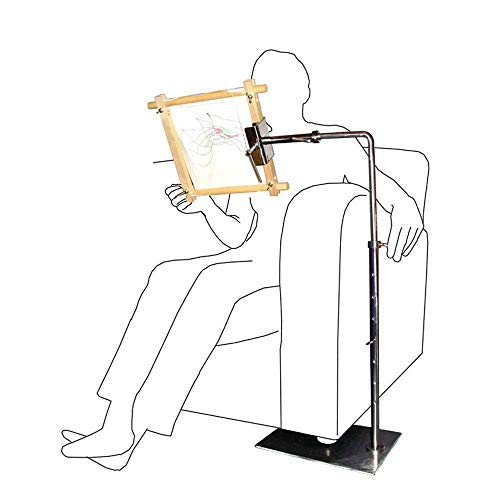
Lowery Workstand with Side Clamp
$229.97The classic needlework floor stand, sturdy enough for large frames.
Check price
Frank A. Edmunds Split Rail Scroll Frame Set
$36.99Scroll frames roll large fabric so only the working area is exposed.
Check price Daylight Company Magnificent Pro Magnifying Lamp
$197.99Bright, true-color light over a big work area.
Check pricePrices change often, so confirm on Amazon. As an Amazon Associate we earn from qualifying purchases.
How is cross stitch fabric size calculated?
Finished inches equal stitches divided by stitches per inch. Fabric to cut adds the margin to both sides of each dimension. For the default pattern of 120 x 160 stitches on 14 count Aida: 120 / 14 = 8.6 inches and 160 / 14 = 11.4 inches. Adding 3 inches per side gives 15 x 18 inches, rounded up to whole inches.
How big is a 120 x 160 stitch design on every fabric count?
| Count | Fabric | Stitches per inch | Finished (in) | Finished (cm) | Cut (in) |
|---|---|---|---|---|---|
| 6 | aida | 6 | 20 x 26.7 | 50.8 x 67.7 | 26 x 33 |
| 8 | aida | 8 | 15 x 20 | 38.1 x 50.8 | 21 x 26 |
| 11 | aida | 11 | 10.9 x 14.5 | 27.7 x 36.9 | 17 x 21 |
| 14 | aida | 14 | 8.6 x 11.4 | 21.8 x 29 | 15 x 18 |
| 16 | aida | 16 | 7.5 x 10 | 19.1 x 25.4 | 14 x 16 |
| 18 | aida | 18 | 6.7 x 8.9 | 16.9 x 22.6 | 13 x 15 |
| 20 | aida | 20 | 6 x 8 | 15.2 x 20.3 | 12 x 14 |
| 22 | hardanger | 11 | 10.9 x 14.5 | 27.7 x 36.9 | 17 x 21 |
| 25 | evenweave | 12.5 | 9.6 x 12.8 | 24.4 x 32.5 | 16 x 19 |
| 27 | evenweave | 13.5 | 8.9 x 11.9 | 22.6 x 30.1 | 15 x 18 |
| 28 | evenweave | 14 | 8.6 x 11.4 | 21.8 x 29 | 15 x 18 |
| 32 | linen | 16 | 7.5 x 10 | 19.1 x 25.4 | 14 x 16 |
| 36 | linen | 18 | 6.7 x 8.9 | 16.9 x 22.6 | 13 x 15 |
| 40 | linen | 20 | 6 x 8 | 15.2 x 20.3 | 12 x 14 |
Check the stitch count, not the chart size
Printed charts are often shown at a different scale than the finished piece. The stitch count on the pattern is what matters.
Frequently asked questions
How do I calculate cross stitch fabric size?
Divide the pattern width and height in stitches by the stitches per inch of your fabric, then add a margin of about 3 inches on each side for framing. For 28 count evenweave stitched over two, use 14 stitches per inch. A 100 x 100 stitch design on 14 count is about 7.1 inches, so cut 14 x 14 inch fabric.
How much extra fabric should I leave around a cross stitch?
Three inches per side is the common recommendation for pieces you will frame, because framers need fabric to wrap around the mounting board. Ornaments, cards and small finishes can use 2 inches. For pillows or other sewn finishes, add the seam allowance your finishing method needs on top of the margin.
How do I convert a cross stitch pattern to a different count?
Keep the stitch count and change the divisor. The same 120 x 160 stitch design is 10.9 x 14.5 inches on 11 count and 6.7 x 8.9 inches on 18 count. Lower counts make bigger pieces with chunkier stitches; higher counts make smaller, finer pieces.
What does over two mean on evenweave?
Evenweave and linen are counted by threads, and most patterns place each cross over two threads. That halves the stitches per inch: 28 count over two behaves like 14 count Aida, and 32 count over two like 16 count. The calculator switches to over two automatically for evenweave and linen, and you can change it.
What size hoop do I need for my cross stitch?
Choose a hoop 1 to 2 inches bigger than the design so the stitching sits inside the ring, or a hoop you can move around a larger piece. The calculator suggests the smallest standard hoop; for designs over about 12 inches, a scroll frame, Q-Snap frame or floor stand is more comfortable than a hoop.
How we research: we compare manufacturer specifications, owner manuals, published standards and recurring themes in verified owner reviews. We do not test products in person, and this is researched guidance, not professional advice. Follow your machine manual and pattern, and take care with rotary cutters, hot irons and needles. As an Amazon Associate we earn from qualifying purchases.