Size 60/8 Sewing Machine Needle: Fabrics, Thread and Types
A 60/8 sewing machine needle has a blade 0.60 mm thick, where 60 is the metric size and 8 the US size. Use it on silk chiffon, organza, batiste with 80 to 100 wt thread. It comes in universal, microtex points. Change it every 6 to 8 hours of sewing.
A 60/8 needle is a household sewing machine needle with a blade 0.60 mm thick, numbered 60 in the metric system and 8 in the US system. Choose size by thread thickness and fabric weight; choose type by fabric (Schmetz). Thread pairings are starting points from thread makers; test on a scrap. The sewing machine needle size chart lays all nine household sizes out together.
| Metric / US size | 60 / 8 |
|---|---|
| Blade diameter | about 0.60 mm |
| Fabrics | Silk chiffon, Organza, Batiste, Fine lawn |
| Thread weights | 80 to 100 wt |
| Notes | Finest household size; Schmetz Universal and Microtex come in 60/8. |
The table above sums the size up: a 0.60 mm blade for silk chiffon and similar fabrics, carrying 80 to 100 wt thread. Thread and needle are chosen together, so this size runs best with 80 wt thread or 100 wt.
Which needle types come in size 60/8?
2 of the 14 Schmetz household types are made in 60/8; the point, not the size, is what decides whether a needle skips on your fabric.
| Type | Point | Best for |
|---|---|---|
| Universal | Slightly rounded point | General sewing on wovens and many knits |
| Microtex (Sharp) | Very slim acute point | Microfiber, Silk, Batiks, Precise piecing and topstitching |
How does 60/8 compare with other needle sizes?
All 9 household sizes sit in the table below, from the finest 60/8 to the heaviest 120/19, with 60/8 highlighted. One step heavier is 65/9, the size to try when the thread shreds or the machine struggles through the layers.
| Size | Fabrics | Thread |
|---|---|---|
| 60/8 | Silk chiffon, Organza, Batiste | 80 to 100 wt |
| 65/9 | Silk, Fine and highly elastic knits, Lingerie fabrics | 60 to 100 wt |
| 70/10 | Lawn, Voile, Silk | 60 to 80 wt |
| 75/11 | Lightweight to medium knits, Quilting cotton piecing, Machine embroidery | 50 to 60 wt; 40 wt embroidery thread on an Embroidery 75/11 |
| 80/12 | Quilting cotton, Shirting, Poplin | 40 to 50 wt |
| 90/14 | Light to medium denim, Twill, Corduroy | 28 to 40 wt; heavier threads on a Topstitch needle |
| 100/16 | Heavy denim, Canvas, Upholstery | 12 to 30 wt (use a Topstitch needle for 12 wt) |
| 110/18 | Heavy canvas, Upholstery, Heavy denim | Heavy and topstitching threads |
| 120/19 | Very heavy canvas, Upholstery, Vinyl | Heavy thread |
When in doubt, test
Sew a few inches on a scrap of the same fabric, folded to the same thickness. Skipped stitches usually mean the wrong type; shredded thread usually means the eye is too small.
Needles are the cheapest fix in sewing: a pack of 5 costs less than a yard of fabric and lasts 6 to 8 hours of stitching each. Buy them by fabric rather than in bulk in one size, and when the needle is right but the seam still fights you, the machine is the next variable, which is what our best quilting thread roundup digs into.
Needles and machines

SCHMETZ Gold Jeans Sewing Machine Needles, Size 100/16
Under $25Keep a pack of heavier needles on hand for hems, denim and bag projects.
Check price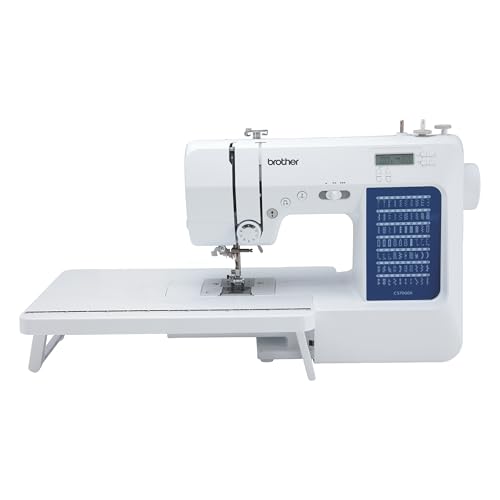
Brother CS7000X Computerized Sewing and Quilting Machine
Under $500A beginner-friendly computerized machine that takes standard household needles.
Check price
Juki HZL-G120 Computerized Sewing Machine
Under $1,000A box-feed garment machine that feeds light and stretchy fabrics evenly.
Check pricePrices change often, so confirm on Amazon. As an Amazon Associate we earn from qualifying purchases.
Frequently asked questions
What is a 60/8 needle used for?
A 60/8 needle suits silk chiffon, organza, batiste, fine lawn. Finest household size; Schmetz Universal and Microtex come in 60/8. Pair it with 80 to 100 wt thread as a starting point, and test on a scrap of your fabric before starting the project.
What do the numbers 60/8 mean on a needle?
The first number is the metric size and the second is the US size. The metric number is the blade diameter in hundredths of a millimeter (80 = 0.80 mm). So a 60 needle has a blade about 0.60 mm thick. Higher numbers are thicker needles for heavier fabric and thread.
What thread goes with a 60/8 needle?
Thread makers suggest 80 to 100 wt thread for a 60/8 needle. The eye must let the thread pass without shredding or looping. If thread frays, breaks or skips stitches, move up one needle size or switch to a topstitch or embroidery needle with a larger eye.
Which needle types come in size 60/8?
In Schmetz sizing, 60/8 is available in Universal, Microtex (Sharp) needles. Choose the type by fabric: ballpoint or stretch for knits, jeans for denim, microtex for fine wovens, and universal for general sewing.
Why is my sewing machine skipping stitches?
Skipped stitches almost always mean the wrong needle or a worn one. A universal point can skip on knits where a ball point would not, and a bent or dull needle skips long before it looks damaged, so change it every 6 to 8 hours of sewing. Rethread top and bobbin with the presser foot up, and check the needle is pushed all the way up and facing the right way, as the sewing machine maintenance guide sets out.
What size sewing machine needle should I use for quilting cotton?
Use an 80/12 for piecing quilting cotton with 50 wt thread, and step up to a 90/14 once you are quilting through top, batting and backing. A sharp point, microtex or quilting, keeps the seam accurate on tightly woven cotton. The 80/12 needle page in this section covers the fabrics and threads it handles: an 80/12 needle.
How often should I change a 60/8 needle?
Many sewists change needles every 6 to 8 hours of sewing, or at the start of each new project, and immediately if the needle hits a pin or starts to make a popping sound. A dull needle causes skipped stitches, snags and puckering long before it looks damaged.
How we research: we compare manufacturer specifications, owner manuals, published standards and recurring themes in verified owner reviews. We do not test products in person, and this is researched guidance, not professional advice. Follow your machine manual and pattern, and take care with rotary cutters, hot irons and needles. As an Amazon Associate we earn from qualifying purchases.